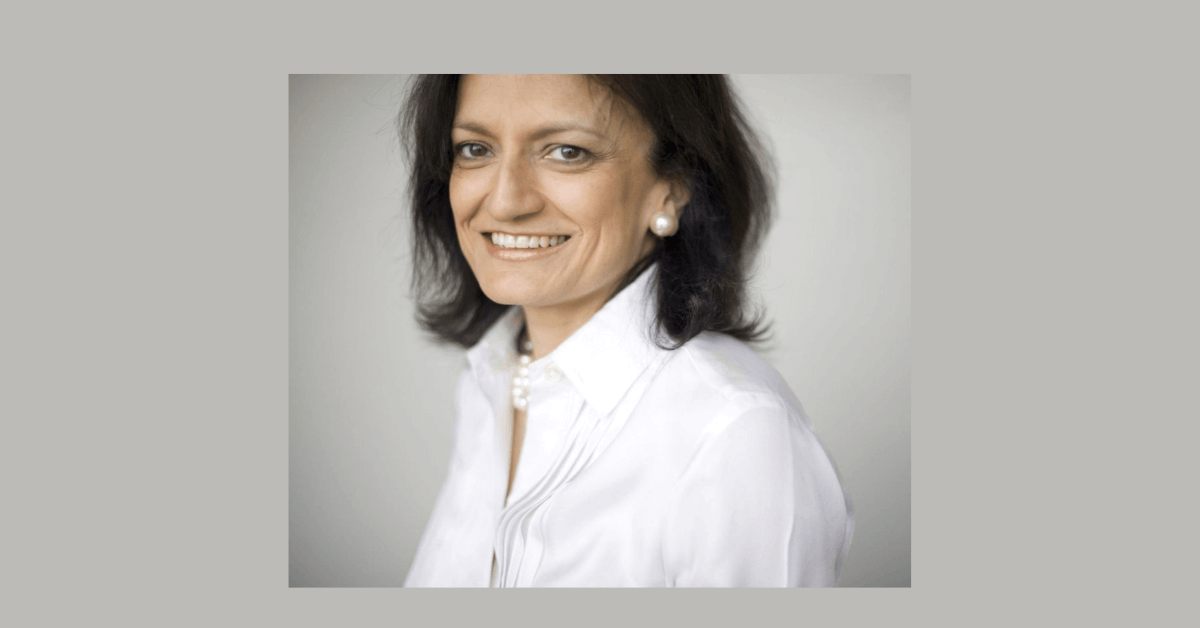
Blocking Online Abuse: Q&A with Toronto Star columnist Heather Mallick

In the context of Informed Opinions’ work to combat the #ToxicHush of online hate, we’re deeply conscious of how much abuse many outspoken women and gender-diverse journalists, bloggers and influencers receive. Noting a recent tweet by longtime feminist columnist, Heather Mallick about blocking words on Twitter, we reached out to learn more…

Do you remember the circumstances that led to you discovering the feature on Twitter that allows you to block words, not just users?

I started on Twitter in 2011, I think. Before that I’d get handwritten hate. I started using the filters when swarming began. (editor’s note: swarming is when a bunch of people target someone’s Twitter account all at once to overwhelm them with malicious content). It was just after Jon Ronson’s book, So You’ve Been Publicly Shamed. It occurred to me that tweeters could block the words they were being targeted for and never hear about it again.

To implement the filter, go to the “More” button at the bottom left hand side of your profile, then click on Settings and Privacy, then Privacy and Safety, then Mute and Block.

Can you share some of the words you block?

I block the c-word, and malice, plus racist stuff because I am biracial. Any words that are likely to be used by hateful people are blocked. 

Interestingly, people are calling me Hitler now because of a recent column on anti-vaxxers, but I don’t block “Hitler” because I’m interested in the man and don’t want to miss fascinating tweets about his history.

My list of blocked accounts is so long I don’t even think I would have the time to read it.

The list of Mute Notifications from People is the most helpful. You can officially mute people: ones you don’t follow, or who don’t follow you, who have a default profile photo, who haven’t confirmed their email, and who haven’t confirmed their phone number.

This means you can mute people who are concealing their identity, which is a danger sign right there.

Interestingly, if you get swarmed, Twitter will warn you and ask if you want to take precautions. Then the swarm vanishes.

How has being able to block specific words changed your experience of Twitter?

It’s so much nicer. It’s safer. I don’t live in Anxiety World. I feel I have control over what I see. Recently a sex killer (he tortured, raped and murdered an Indigenous woman many years ago) began emailing me and the IT people at the Star blocked him permanently. I also blocked him on Twitter.

If you look at who a dangerous person follows and who is following them, block them too. And never respond.

The greatest danger comes from obsessive men. I have had a man email me for decades, following me from job to job, sending me hate. One day I will ask a Star lawyer to call him and tell him to stop. But in the meantime, I have blocked him. He can’t reach me now.

As an unapologetically feminist columnist who frequently advocates for people and issues that make you a target, what other strategies do you recommend to those dealing with the backlash that results?

If you anger men, every aspect of your appearance will be judged. And yet you look wonderful, you truly do! Try to brush this aside because it is a hallmark of the backlash against feminism and will not end in our lifetime. Here’s a tip: look up your commenters online. You will laugh.

If you are being swarmed on social media, I believe you have to have defences already prepared. Try to have a life outside work. Have a means of distraction: friends or family, habits or interests.

You should not be alone because you will ruminate and that’s when the hurt becomes internal.

Find a therapist if you can. Try asking friends if they have a good one. That’s definitely helpful. Find a good female doctor. Medical science is your friend. Medication is a fine thing.

My greatest asset: a loving family. A Scottish mother who raised me to have no self-regard. “We are not put on this earth for pleasure,” she said. I was raised on boiled foods. Food is fuel; it’s not there to be enjoyed. Same with work: you do it for money. So I’m not easily hurt, really.

So, my advice is to go back in time and have a Scottish mother. Do that. You’ll expect the worst and you won’t be disappointed. None of this American wellness nonsense. Toughen up. Get a grip. (And yet I am not tough. I have little grip. But I’m a happy person, more or less.) Young women have much to fear and so much that is wonderful! I love them and admire them.

Which topics have you written about that received the most hate? 

I have a list of bandwagon topics I won’t write about, not any more, because they bring out noxious people.

  1. Attacking Sarah Palin at the Republican convention brought out the worst attacks in my entire life. Was that 2008? The American decline since then has been precipitous. Two weeks later, everyone realized that Palin was not up to the job, and dangerous to boot, but no one apologized.
  2. Abortion rights is consistently bad. Prepare yourself.
  3. #MeToo was horrific. I remembered things I had suppressed and it’s a shock to be assaulted for writing about that openly.

Notice that all these are women-related topics.

Has it gotten worse in recent years, and if so, to what do you attribute this? 

Yes, it’s worse because Americans are worse and their toxic hatred has floated north. It’s social media as invented by Americans and used planet-wide. There are actually very few appalling people, but when we give them oxygen, they grow.

NEVER UNDERESTIMATE HOW MUCH YOU ARE HATED. I always tell women this. It continues to be true and may become even more true. Nevertheless, we are half of humanity and we must work with good women and good men to make life better for all women.

We need all the strategies we can muster – personal, political, regulatory – to make it less tormenting for women to use their fine voices.

Heather Mallick is a columnist who writes about feminism, news and politics for the Toronto Star.@HeatherMallick
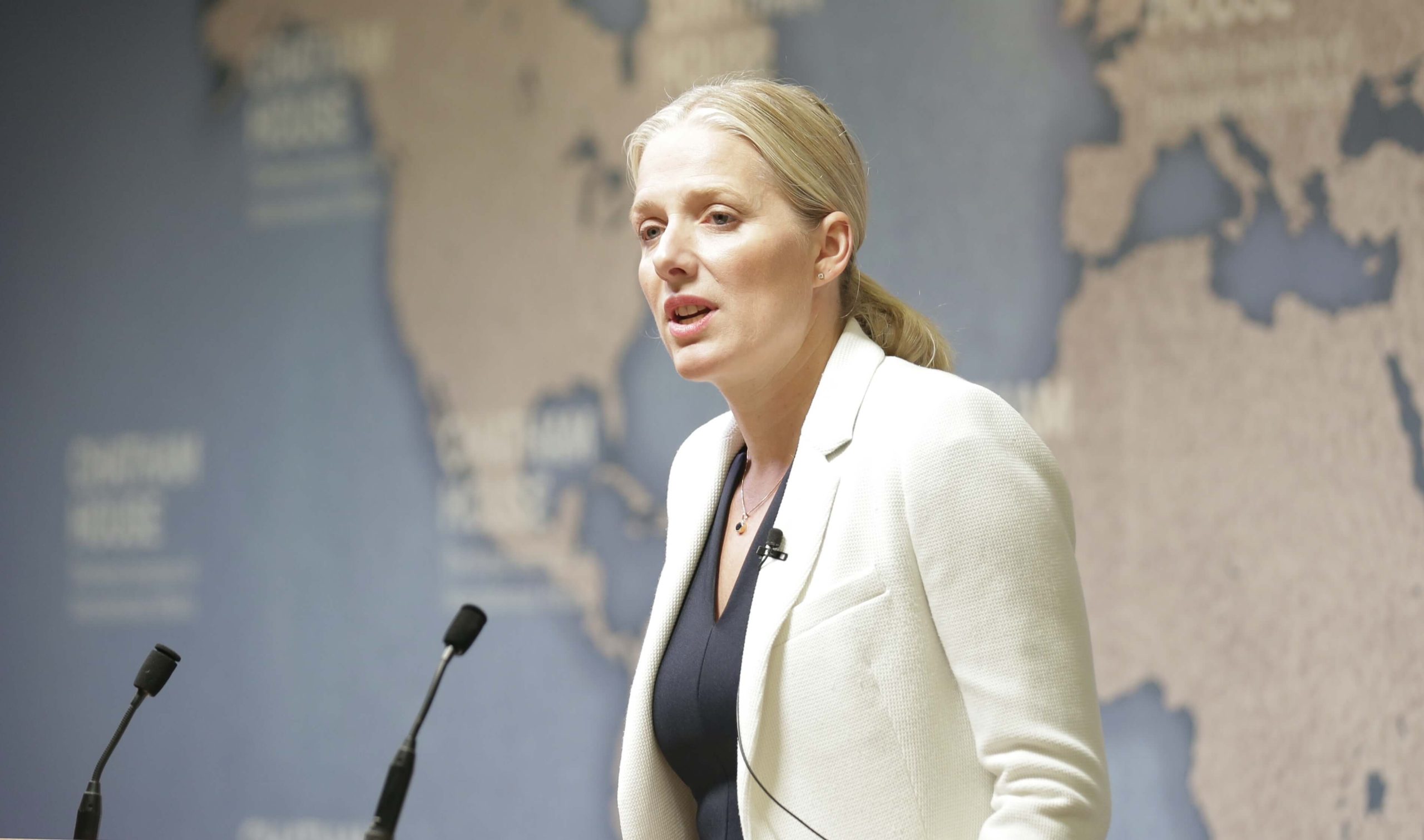

Online hate targeting politicians threatens democracy

If you’re a woman in Canada who pays any attention to politics, you already know the basic arc and many of the low points of the story below. In fact, you’re likely to have had a visceral experience of the events, even if you only ever saw them reported on the news or discussed on social media. And merely bearing witness has probably negatively influenced any inclination you might have had to run for office yourself.

Catherine McKenna may be the canary in the coal mine of efforts to advance women’s leadership in Canadian public life – and the real and present threat that online hate poses to our democracy.

McKenna became the poster politician for online abuse during her tenure as federal Minister of the Environment – in part because the attacks targeting her online emboldened people to deliver their harassment and hate in person, too.

As the politician responsible for the government’s most contentious file, and as a woman, who also happened to be blonde, relatively young, conventionally attractive AND unapologetic about using her voice, she became a magnet for haters. They attacked her for policy and appearance issues alike, bent on discrediting her and undermining her ability to make the kind of changes that scientists have long been clear are necessary to protect the future of the planet.

In December, McKenna spoke to Taylor Owen, host of the Big Tech podcast produced out of McGill University’s Centre for International Governance Innovation.

She revisited the origins of the despicable “Climate Barbie” label (Rebel Media initially coined the phrase but she refrained from responding until a former Conservative cabinet minister used the moniker in Parliament).

“You take a lot of abuse,” she confessed, “but I was done.”

That only escalated the abuse: in addition to the online trolling, people sent her Barbie dolls with hate messages attached and created videos showing dolls being harmed.

After McKenna was elected for the second time in 2019, her campaign office was sprayed withmisogynistic graffiti in red paint across an image of her face.

Dealing with the daily onslaught of hate was very hard on her staff, and other women regularly confessed to her they would never consider running for office after witnessing the viciousness of the harassment directed at her.  

Moreover, anyone who tried to engage on social media to defend or celebrate her would themselves, become targeted by trolls.

As a result of this – and the “zero action” taken by the social media platforms which were made aware of the online hate they were facilitating – McKenna is now a big proponent of regulation.

Both she and Owen spoke about the now widespread concern Canadians have about the issue, and the license this gives politicians to enact legislation against online abuse.

Noted Owen, “We have lots of conversations about cancel culture, but the weaponizing of speech by these technologies is a certain kind of censorship; we’re forcing the people most affected by this – women, people of colour – out of our public sphere in really meaningful ways. Is that the cost we now have to bear?”

McKenna is vehement in her condemnation of the extent to which online hate is silencing the diverse voices we need to bring into politics and public discourse. She believes that government action, transparent algorithms and the use of human rights law are all needed to address the issue. She cited the many other countries already introducing legislation and noted that some of the social media companies themselves want to be relieved of the decision-making involved.

“We’re in a different place,” she observed, compared to 2015 when she was first elected. At that time, politicians were told “you can’t block anyone on social media, because you’re a public servant and need to be accessible.”

Now, she says, “Canadians expect action and they wanted it yesterday.”

Shari Graydon is the Catalyst of Informed Opinions, a non-profit amplifying the voices of women and gender-diverse people and combatting the #ToxicHush of online hate that is silencing voices that are already discouragingly under-represented.Informed Opinions’ campaign against #ToxicHush is funding the development of a research app that will gather evidence making clear how pervasive the problem is, to help equip policy-makers and governments to deliver on that action.

How to Use #Ottertime to Fight Online Hate and Disorient Trolls

Esther Choo is a physician who does medical commentary on CNN, MSNBC and BBC. She has more than 192,000 followers. And because she’s a feminist, tweets about gender inequities, and is also Asian American, she gets trolled. 

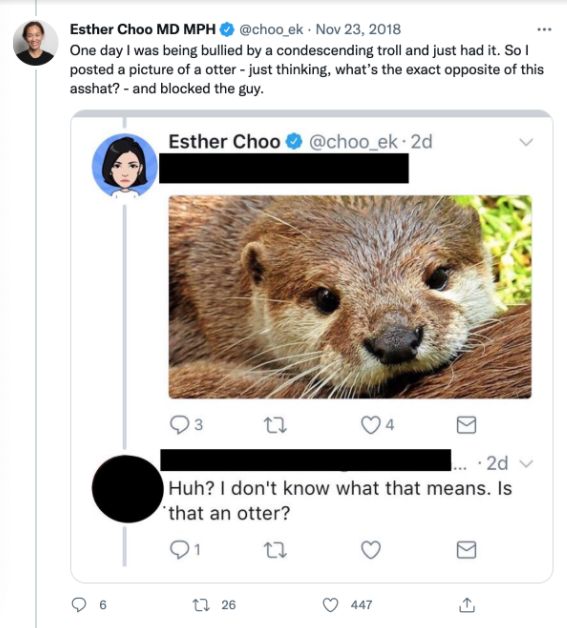
But she’s smart and has a sense of humour, too. So here’s what she does when she gets sent online abuse: she responds by sharing an image of an otter. No explanation, just the image of the otter. 

I love the brilliance of this strategy. 

First of all, it’s confusing (see troller’s dumbfounded response, below).

Ester Choo MD MPH tweets One day I was being bullied by a condescending troll and just had it. So I posted a picture of a otter - just thinking, what's the exact opposite of this asshat? - and blocked the guy. Esther Choo tweets a picture of an otter. Troll responds Huh? I don't know what that means. Is that an otter?

Don’t you love the reply? He can’t reconcile the image with his intended effect. So he’s forced to ask for clarification, which disrupts the invective and undermines his stream of attack.

Secondly, it’s a way of Dr. Choo saying “your comments are so ignorant and uncool as to be unworthy of my intellectual or emotional capital; they do not deserve a response.”

Which, instead of silencing her, makes him both irrelevant and, in a way, invisible. 

Thirdly, the disconnect between his asshattedness and her sophistication is priceless.

Anyone who is regularly being targeted with online hate can attest to how exhausting it is to be on high alert as a result of vitriol and insults that find their way into the palm of your hand as you scroll Twitter or Facebook for news, or the threats that disrupt your workplace inbox. 

Dr. Choo continues…

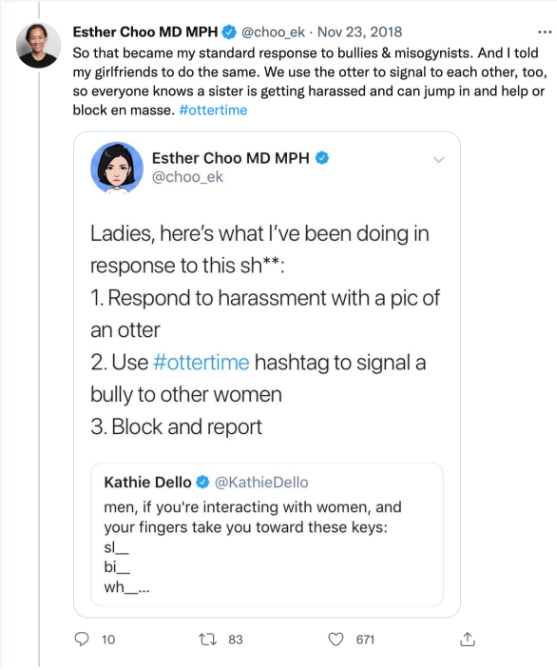
Esther Choo MD MPH tweets So that became my standard response to bullies and misogynists. And I told my girlfriends to do the same. We use the otter to signal to each other, too, so everyone knows a sister is getting harassed and can jump in and help or block en masse. #ottertime Tweet reply reads Ladies, here's what I've been doing in response to this sh**. 1. Respond to harassment with a pic of an otter 2. Use #ottertime hashtag to signal a bully to other women 3. Block and report Original tweet by Kathie Dello reads men, if you're interacting with women, an your fingers take you toward these keys: sl blank, bi blank, wh blank

Finding, let alone maintaining, a sense of humour in the face of egregious hate speech and personal attacks is almost impossible. So having a default response that helps you avoid the downward spiral into someone else’s dark, ugly world – and also gives you something easy and constructive to do to subvert the negative energy – is a special kind of genius. 

And inviting others to adopt the strategy is a special kind of sisterhood. But it gets better…

Dr. Choo then goes on to write about how perfect otters are as an analogy for women fighting back against online harassment:

Although they look harmless — and, often, it must be said, adorable — they can be really ferocious, using their powerful jaws and claws to tear apart enemies. Their thick fur makes them resilient to extreme cold and they’re smart enough to use rocks as tools and carry them around in pockets of skin. Moreover…

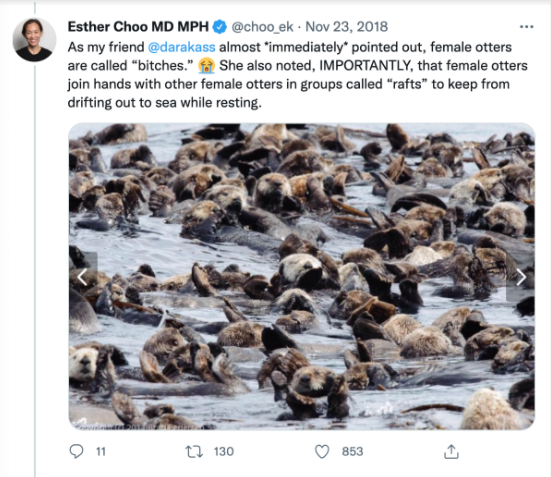
Esther Choo MD MPH tweet reads As my friend @darakass almost immediately pointed out, female otters are called bitches. Crying emoji She also noted, importantly, that female otters join hands with other female otters in groups called rafts to keep from drifting out to sea while resting

It makes me feel giddy to imagine the solidarity of women banding together like otters, emulating a “raft of bitches” to protect one another against the waves of online hate. 

So let’s embrace and build on Dr. Choo’s brilliance with a five-step action:

  1. Search for images of “otter”; 
  2. Copy or download a couple onto your desktop or phone so you have them handy;
  3. Prepare to disrupt and disorient the next “asshat” who dares to mistake your social media feed for one that requires his ignorance, insult or hate speech; 
  4. Incorporate the hashtag #Ottertime to signal to other feminists and allies that someone is unclear on the concept of “social” media;
  5. Share and repeat as needed.


Shari Graydon is the Catalyst of Informed Opinions, a non-profit amplifying the voices of women and gender-diverse people and combatting the #ToxicHush of online hate that is silencing voices that are already discouragingly under-represented.

Giving media interviews through trauma — and giving back to community

Lori Campbell, newly appointed Associate Vice President, Indigenous Engagement, at the University of Regina has a long history of advocacy. A survivor of the infamous “Sixties Scoop”, she has used her voice to amplify issues affecting Indigenous peoples for many years, responding to media interview requests despite the challenges of doing so.

We all benefit from her willingness to engage and educate, and Informed Opinions is proud to feature her profile in our database of sources. Given the understandable reasons many women representing historically-excluded communities have for not speaking to journalists, we especially appreciate her shared insights below.

Informed Opinions (IO): Given the risks associated with speaking up publicly, especially as an Indigenous woman weighing in on controversial and/or misunderstood issues, why do you say yes to media interviews?

Lori Campbell (LC): In our culture, knowledge and skills come with responsibility. We all have expertise in different areas; we all have a role. I have had, and continue to have, many teachers in my life, many mentors, and they have seen that I have a skill set to navigate media and to get our voices heard. They have nurtured this ability, and speaking to the media is one of those ways I can give back to my community.

IO: How has your perspective on the importance of doing this shifted over the years?

LC: I don’t get rattled so much by reporters now. Some have their own agenda and they want to ask you the same thing five different ways to try to get the answer they want to hear. I used to think maybe they didn’t understand my first answer, but now I know different so I simply keep on my messaging and respond with what I want told.

IO: What preparation strategies have you found to be especially helpful?

LC: Oftentimes I am called upon when there are tragedies or devastation that occur in our communities and to our people. It can be difficult because while providing my expertise, I am also living through the trauma in real time. Usually in these instances I prepare a couple of lines that are really key to the message I want to get out and try to stick to them. And I also do some deep breathing and let the ancestors, the energy flow through me.

IO: What kind of feedback have you received to your commentary either from people in your network or from members of the public more broadly?

LC: From my community, I receive a lot of positive feedback for standing up and carrying our voice forward and for telling it like it is and not holding back.

From the broader community, I also get a fair bit of positive feedback because it helps them learn. I always call on people to do differently, do better, once they know different and know better.

But there are always a few people who just want to be adversarial, who want to say “well, there are two sides to every story” when they hear about residential schools, for example. So I ask “What is the side of the story that explains why there are graveyards and unmarked graves with children outside of residential schools but not other schools across the country?”

IO: What impact — positive or negative — do you think your media engagement and enhanced profile have had on your professional work opportunities or reputation?

LC: Generally, I would say it has been positive. In all honesty, I prefer some reaction to no reaction on the issues I speak to. No reaction means that people are so disengaged that they don’t care. Even if a reaction is negative, at least it shows engagement.

Then again, sometimes your words are spun in a way that you don’t intend. It is important to have trust in our communities. When I hear a statement from an Indigenous leader who I admire and it sounds bad, instead of thinking “I can’t believe they said that”, I reach out to that person because I know they are likely feeling frustrated and angry about how they were presented in the story, and worried about what our community will think.

LC: Generally, I don’t engage with them. I often don’t read public comments. There are trolls and they are terrible. That’s why CBC can’t even allow comments on online stories with Indigenous content.

IO: Do you have any advice for other women who remain reluctant to share their knowledge through media?

LC: Even when your voice shakes, stand and speak. Our voices bring value, a unique narrative and perspective, and they inspire. Our stories need to be told.

We may never know who we touched or how, but we must trust that someone has heard what they needed to hear in what we have shared and it has impacted them profoundly.

Informed Opinions is a national non-profit working to amplify the voices of women and gender-diverse people and ensure they have as much influence in public conversations as men’s.

Why are some people such jerks online? And how do you respond to social media attacks?

Is social media snark the gateway drug to full-on trolling?

I wondered this a lot last month, scrolling through the hate-tweets directed my way. Had I condemned a respected religious leader? Body-shamed a feminist icon? Described COVID as a viable form of population control? 

No, I’d had the temerity to confess in a Toronto Star commentary that I wasn’t in the mood to celebrate Canada Day. 

On LinkedIn, my piece generated thousands of views and many thoughtful and supportive responses. In contrast, on Twitter, dozens of vitriolic messages advised me to leave the country — although not nearly so politely. 

I was characterized as self-righteous, self-loathing and snobbish, “the worst a free democratic country can produce.” I was labeled “a non-entity”, accused of “grifting”, and ridiculed for having a degree in theatre. (Because it’s easier to attack someone personally, based on erroneously-drawn conclusions, than it is to mount a reasoned argument.)

One critic sneered that I was no doubt a fan of immigration (correct, although not mentioned), while another condemned me for having “defecated on the memory of the people who died at Verdun, Passchendaele, Ypres, Juno…Korea, Afghanistan.” (Nope, not even close.)

As disturbing as these attacks were, they pale in comparison to the kinds of hostile abuse directed at many other women, especially those who are Black, Indigenous, Asian, Muslim, lesbian, trans, women of colour… On a daily basis, they are targeted, threatened and silenced.

Over the past decade, in the process of teaching experts how to engage audiences through media, I’ve been enlightened by thousands of extremely knowledgeable and thoughtful scientists, health care professionals and advocates, across all sectors. Despite their deep insights on critically important issues, many of them have sometimes declined to share their experience-informed perspectives even when asked because they don’t have the time, patience or willingness to deal with poisonous online attacks that increase along with one’s profile. 

Who can blame them? 

That’s why Informed Opinions is now investing in a new project aimed at addressing online abuse. In the coming months we’ll be telling you more about our innovative new app and research initiative.

In the meantime, in trying to answer for myself the question, “Why are some people such jerks online?” I came across a New York Times article from 2007 which described the phenomenon of “online disinhibition”. 

Apparently, we’re more likely to be nasty because of the time lag between when we post a message and when we get a response… because the social media world is not governed by authority figures who might encourage us to behave better… because our empathy centres are hijacked by the absence of emotional signs and social cues typical of more personal interaction. 

And yet I and millions of others manage to regularly share thoughts and feelings on social media without personally insulting or attacking others. So I found this sentiment, penned on Quora by Alec Sorenson, more persuasive:

“People are jerks online because they’re jerks normally;
being online just allows them to be jerks without fear of consequence.”

Not insignificantly, social media companies have programmed their algorithms to reward ugliness. Academic research has determined that both Facebook and YouTube prioritize attacks. And posting something that triggers a pile-on of people who reinforce the attack with “likes” gives jerks the kind of dopamine surge experienced when gambling or using recreational drugs. By privileging online harassment and insults, these platforms are perpetuating an addiction to abuse. 

All of which feeds the inevitable conclusion: individual members of civil society, the organizations we support and the governments who serve us need to insist on accountability. 

We need to demand that social media companies live up to their own “community standards” and start genuinely managing not just fake news but the damaging content that their abusive users post. 

Even though the comments directed my way were tame in comparison to the insults and threats many other women and gender-diverse people experience, I did find them disturbing. I had to consciously remind myself that:

  1. Mounting personal attacks vs engaging with another’s ideas is cowardly and unworthy of response;
  2. Evidence-supported views trump the uninformed opinions of those who also deny that COVID exists or buy into disproven conspiracy theories; and, encouragingly,
  3. Most of my critics have few followers and little influence.

I also find valuable the insight articulated by George Bernard Shaw, who recommended:

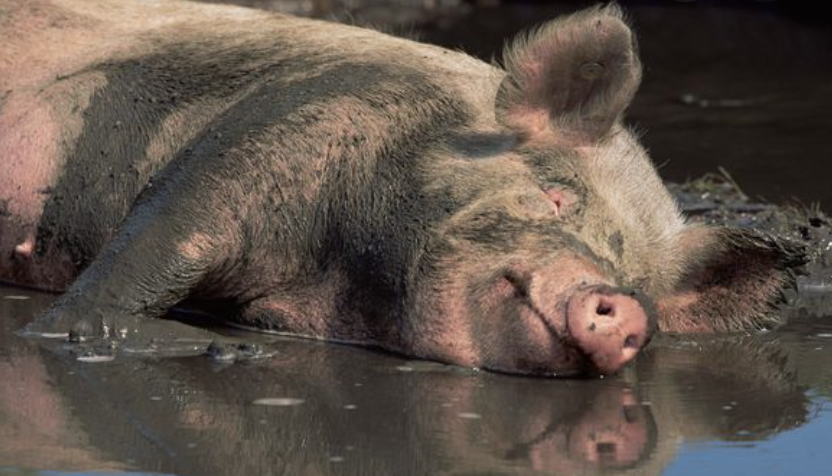
Never wrestle with a pig;
you both get dirty and the pig likes it.

Coincidentally, the day after I drafted the post above, I came across this piece written by the brilliant Roxane Gay about her own evolution with social media. It’s worth the read.

Shari Graydon is the Catalyst of Informed Opinions, a non-profit working to amplify the voices of women and gender-diverse people and ensure they have as much influence in public conversations as men’s.

Why is it so crucial that we hear from Indigenous women?

and Amy Ede. In the context of our collaboration to engage and support more Indigenous women and gender diverse people in being heard through the media, the two recently sat down (virtually) to discuss related ideas.

SHARI: I’m embarrassed to admit that when we started Informed Opinions  in 2010, I seriously under-estimated the obstacles to bridging the gender gap in Canadian media. Blinded by my own, relatively benign experience, I thought “if I just show women how under-represented our voices are; teach them how to translate their knowledge into publishable op eds, or become more comfortable and effective in media interviews; and then make it easy for journalists to find them, that will do it.”

I failed to realize how reluctant many women are, especially if they work in sectors where they’re constantly being reminded in subtle or explicit ways that they don’t belong. As a woman who never had kids of my own, I also didn’t appreciate just how challenging it is to make time for unpaid media engagement while holding down a job and raising a family. 

And even though I’ve been getting hate mail since the days when trolls had to address and stamp an actual envelope, my privilege blinded me to how much worse the backlash directed to BIPOC women is, especially when facilitated by toxic social media culture.

AMY: Yes, doxxing (the public broadcasting of personal details about how to find a person offline) is a terrifying form of oppression and the violence in real life and on social media is omnipresent and magnified for Indigenous women. Every interaction presents a choice to face violence or be silent. Real life danger looms large as we know that white men may rape and murder Indigenous women, girls, Two-Spirt and LGBTQQIA people with impunity. The cases of Missing and Murdered Indigenous Women and Girls, including Cindy Gladue and Tina Fontaine, show a justice system that dehumanizes us and robs us of our dignity just as the perpetrators have.

Encouraging us to step up is asking us to engage with systems that have ignored, pressured, manipulated, or exploited us. We have been consulted but our input has not been honoured. In addition, demands for unpaid labour, rationalized by community good or awareness, have exhausted us. We are asked to be experts on Indigenous culture or history, educating journalists, interviewers and consultants about basic things that should have been taught in schools.

I share a great deal of myself through the news media and on social media because I want to be seen and understood in a system that erases, displaces and misrepresents me. I have experienced the hurt and humiliation of opening an article about an Indigenous woman advocate I look up to and being thrown into the horrifying details of her childhood abuse in the opening paragraphs. 

I know that there is always a possibility of harm to myself and others when I lend my voice to a medium I can’t control. The best I can do is equip myself with the tools I need to advocate for strength-based, solution-focused, and trauma-informed communications and go the extra mile to educate others. It’s a privilege that I have the support systems and conviction that I need to do this and that trailblazers like Ellen Gabriel and Pam Palmater have normalized being outspoken.

SHARI: The sobering context you share echoes the perspectives we heard this summer during a roundtable we convened with BIPOC women who are featured in our database of expert sources. White journalists and sources need to better understand how fraught the terrain is for those who don’t enjoy privileges we take for granted. 

At the same time, we remind women with critically valuable insights that if they decline interview opportunities, counting themselves out because they’re not “the best” person, this is as much of a problem as journalists failing to seek their perspectives in the first place. The journalist will simply go to the next available source, who’s likely to be male, and unlikely to be fettered by the self-expectation that he has to know everything. 

That’s why we encourage women to focus on their ability to “add value”. And because they have relevant experience — or they wouldn’t have been contacted in the first place — they can almost always clear that bar. 

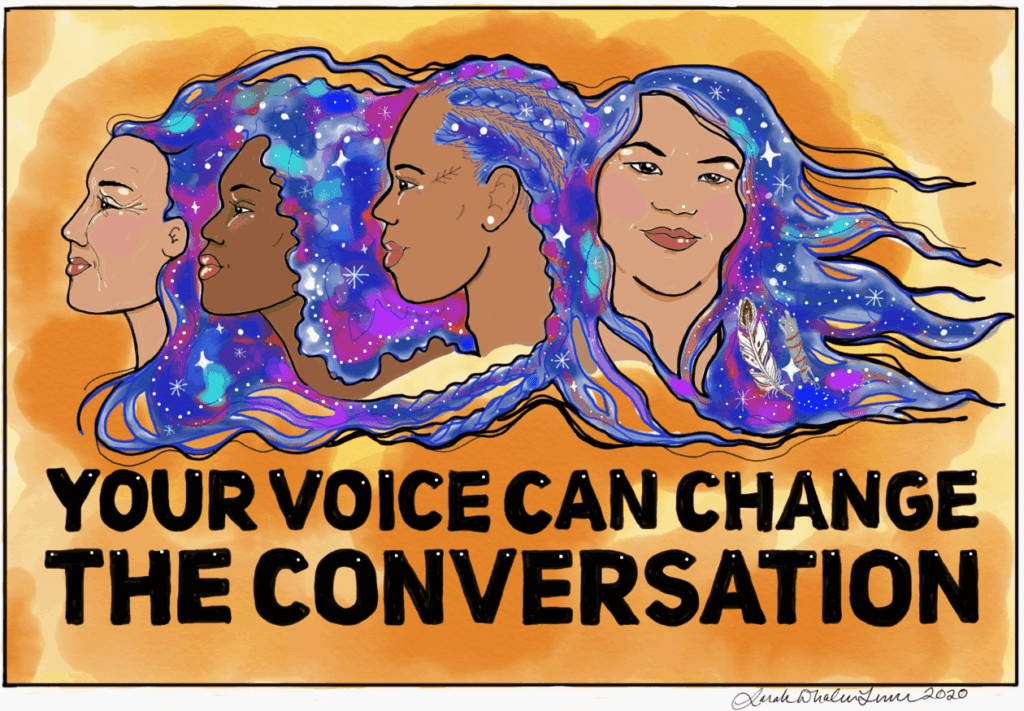
“The galactic imagery in this work suggests the infinite knowledge that lives within us. The lived experience of these four women is valid and theirs to share.” – Sarah Ayaqi Whalen-Lunn (she/her) is an Inuk artist based out of Anchorage

AMY: I see Indigenous women on Twitter who are experts on traditional Indigenous governance structures, relational worldviews, and artistic practices posting brilliant statements in the public domain, for free. A decolonized perspective on holding knowledge recognizes that job titles and institutional credentials are irrelevant to the value of a person, their ideas, and the level of respect we show them. We need to change not only how we listen, but who we listen to, facilitating the amplification of these perspectives.

SHARI: The absence of financial compensation for one’s hard-won insights compounds the problems of invisibility. The deck is stacked against those who are already challenged by racist structures and don’t have the time to invest in labour that’s not only risky but unpaid.

Another challenge is that dominant media practices have created the perception that you have to look or sound a certain way to be considered credible. The image of authority that’s been reinforced by news media for centuries is that of a middle-age white male dressed in business attire. And so anyone outside of that frame is more likely to feel undermined before they even open their mouths.

AMY: Some women are resisting constructs of appropriate ways to express themselves and exercising our right to be angry. Black and Indigenous women have led the way in challenging the notion that we need to be polite, approachable, and smile in order to be heard; that we don’t have to create a safe space for others to witness our outrage. When Minister Hadju was on CBC’s Power & Politics in a leather flight jacket, an Indigenous woman leader expressed that this was how she wanted to dress for interviews. We need to dress in ways that make us feel powerful and ourselves.

I was approached to speak on an Ask Women Anything panel in Ottawa back in 2018, when I’d recently departed my position as Director of Communications at the Native Women’s Association of Canada. I wrote speeches and presentations for others but I didn’t see how I had a voice that mattered. 

Participating convinced me that I’m an expert in my own personal experience. The act of voicing my truth legitimizes shared experiences of violence, racism, and erasure and helps others better understand the barriers to the health and wellbeing facing many Indigenous women, Black women, and Women of Colour. 

SHARI:  I’d forgotten that connection! Ask Women Anything is an Ottawa-based grassroots amplification initiative that was created by Informed Opinions’ previous board Chair, Amanda Parriag as a project of Informed Opinions. It became such a powerful platform for voices and perspectives that have been traditionally marginalized that Amanda is now leading it as a stand-alone entity.  

AMY: After the panel, Amanda  offered to co-write an op-ed with me for a national publication. The piece we wrote lamenting that “progress” had become a dirty word was published in The Toronto Star, and generated a lot of reader engagement. The next time I felt that I had a perspective that needed to be heard,  I had the confidence and experience to be published on my own. It’s our responsibility not only to speak out, but to encourage and lend capacity and resources to others who are finding their own voice in media.

I’m experienced in advocacy, I’m engaged with my community, and I spend a lot of time learning and writing about Indigenous priorities. Who I am and what I do has made me artful in the communication of difficult truths. I know that my voice can change the conversation and I put in extra work to be heard on my own terms. 

SHARI:  It’s so encouraging to hear that this was your experience. And your recent piece defining Indigenous defenders as “front-line essential workers” was enormously compelling. What kind of response did you get?

AMY: This was a success for me in many ways. I fear backlash from the Indigenous community the most and was shocked not to be called in or called out on something egregious. My tweet about the article received over 100 retweets from accounts including 1492 LandBackLane, so I hope that land and water defenders knew it was a love letter to them and their work and that Indigenous readers knew I wasn’t trying to speak on their behalf. Non-Indigenous readers told me that they felt informed and that was also a goal; to stomp out confusion and build understanding that I hope will turn into support.

SHARI: We’ve seen so many examples of women creating demonstrated impact by sharing experiences and perceptions that were previously under-reported or missing entirely. 

It’s impossible to predict what difference it would make if women were quoted 50% of the time (instead of 30%, as our Gender Gap Tracker is currently showing). But we experimented by taking 100 op eds written by women we’d trained that were published in influential daily newspapers. We created a word cloud to see what issues came up most often. Then we created a comparable word cloud with a random sample of 100 op eds written by men during the same period of time. Finally, we deducted the words that were common to both samples to end up with the issues that only gained prominence when women’s voices were featured. 

It was a heartbreaking exercise. Some words were completely predictable: women, girls, sexual, assault. But many others were not, like food and water, evidence and impact, racism and police! What’s interesting is that we did this experiment in 2016, before the #MeToo movement and #BlackLivesMatter — though interestingly after #IdleNoMore. It’s deeply concerning to think of the issues that are not getting attention because we chronically under-represent the people — women, Indigenous people, people of colour, people living with a disability, LGBTQQIA — who are most affected by them.

AMY: I agree that the more we expand representation in media to include people who identify as Two-Spirit and non-binary, women of diverse faiths, women experiencing incarceration, women who live in rural, remote, and northern areas, working-class women, women experiencing poverty, and women who are street associated, the better we will be able to see the landscape as it is. 

It interests me that evidence and impact are included in the word cloud. Indigenous women are trained to give evidence beyond our lived experiences because we are not believed. With better awareness of our lived experiences and understanding of our priorities, it may be possible to speak without first quantifying how we have been silenced, why our knowledge is valuable,  and why our voices are deserving of respect.

Informed Opinions is actively focused on including voices more representative of the population in the Circle of Experts. We’re seeking Indigenous women and gender diverse people across industries and with professional and personal expertise to join. There’s no limit to the number of rich perspectives needed from First Nations, Inuit, and Métis women, as well as others with a story to tell.

Shari Graydon is the Catalyst of Informed Opinions, a non-profit working to amplify women and gender diverse individuals’ voices and ensure they have as much influence in public conversations as men’s.

Mandatory High Heels and Facebook Feedback

EXPLOITING CELEBRITIES

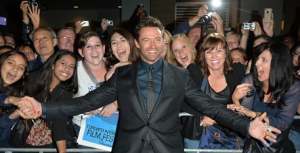
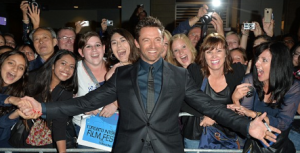
How do you draw public attention to rampant discrimination against women restaurant workers? I played the celebrity card, and heightened the drama by contrasting the red carpet behaviour of Hollywood A-listers, Sandra Bullock (rooted to the spot by her heels) and Hugh Jackman (bounding down Yonge Street posing for selfies with fans).

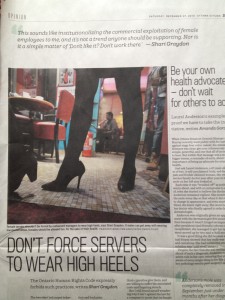
My recent op ed in the Ottawa Citizen and Montreal Gazette takes aim at the ubiquitous and indefensible imposition of high heels on female wait staff, which handicaps them — both figuratively  and literally.

HOLIDAY OPPORTUNITIES

Because columnists like to take time off at Christmas, there’s more space to fill in the newspaper. What this meant for my piece was that editor Kate Heartfield supplemented my words with a large format photograph and two pull-quotes, making it impossible to miss.

So I was disappointed to discover that it generated only two comments on the Citizen‘s website — and, even more disappointingly, both were from male readers who had a narrow and dismissive view of the issue.

FACEBOOK FEEDBACK

However, yesterday, a colleague mentioned he’d seen my piece on the Citizen‘s Facebook page, which it had never occurred to me to visit. There I discovered 43 comments (most of them thoughtful and supportive, and many of them from women), 426 “thumbs up”, and 89 shares.

Given that my goal in writing the op ed was to change an egregious policy, I was greatly encouraged by this response. And I’ll be printing off copies of the piece to share with the server I spoke with, as well as her manager.

LEVERAGING COMMENTARY TO CHANGE POLICY

If you’d like to help prevent women working in restaurants from being compelled to wear dangerous footwear and revealing clothes (also forbidden by human rights codes in Ontario, BC, Quebec and Alberta — the four provinces I checked), please share the commentary through your own social media media channels, and with exploited restaurant employees near you.

PUTTING TROLLS IN CONTEXT

In the meantime, don’t get disheartened if the news site where your analysis appears features comments only from people trashing your ideas (or attributing ideas to you that you didn’t actually express, or calling you names, or otherwise engaging in troll behaviour). Because they’re not representative. Here’s the image you want to call to mind in response:

I can typing


Deferring to Jay Smooth on trolls

Don’t take my word for it… On the retrograde troll front, I defer to hip hop DJ and vlogger, Jay Smooth, who recently weighed in on the classic, cautionary Internet story involving media critic, Anita SarkeesianHe offers a compelling and persuasive analysis of an issue I’ve tackled before— but does so from a distinctly male gamer perspective.

My favourite line — and the one most relevant to Informed Opinions — is this: 

“When you bully and harass a woman for speaking her mind, all you do is show us that you’re afraid of that woman’s voice and you don’t think you can beat her intellectually without using a cheat code.

A videoblogger herself, Sarkeesian had launched a Kickstarter campaign in May to raise money for a new series of videos about sexist stereotyping in video games (a subject ripe for critique, if there ever was one).

Predictably, the anti-women troll community (many of them avid gamers) went into overdrive, responding with the kind of hate and vitriol now familiar to anyone who spends time in comment sections inspired by articles, commentary or, apparently, funding appeals by women with opinions.

The irony — and we’re really celebrating this — is that the misogynist spewing fueled an astonishingly supportive backlash. Although Sarkeesian asked for only $6,000 worth of funding, she ended up with $158,922!

Now if only there were a way for other progressive writers and media makers, male and female, to harness that same energy.

Jesse Brown, who blogs on technology for Maclean’s, summed up the good news/bad news nature of this event in How misogynist trolls accidentally funded feminism, also worth a look.

Ignoring the haters

So you’ve crafted your insights into an engaging and persuasive op ed, and the comment editor of your local newspaper has published the piece. Your inbox is now receiving congratulatory notes from friends and colleagues, and maybe even a query or two from broadcast media wanting you to expand on your subject on air.

So far so good.

But then you make the mistake of going online to check out the comment trail being generated by your op ed. And you discover that two dozen trolls have sneered at you for daring to disagree with a Rhodes scholar, for failing to raise a point that had nothing to do with your argument, or for having the temerity to distinguish yourself from a doormat (see Rebecca West*).

You are momentarily horrified. And then you get to the snide swipe by “Chazz” whose capacity for cogent analysis is limited to references to vomit bags and toilet paper.

That’s when it hits you: at least some of these unfortunate readers are actually would-be writers who have tried and failed to submit something worth publishing themselves. And lurking online under the cover of pseudonyms like “muscle280” and “Bait Master”, trashing other people’s opinions, is the closest they can get to feeling a sense of agency or influence.

So then you just feel sorry for them.

For more on dealing with backlash, see earlier posting, Implanted breasts and concerned scholars. In a future post, I’ll offer some tips on how to outsmart the trolls.

In the meantime, here’s a reminder of that famous quote, penned by the inspirational and prolific British author, Rebecca West:

*I myself have never been able to find out precisely what feminism is: I only know that people call me a feminist whenever I express sentiments that differentiate me from a doormat, or a prostitute.