5 Resolutions to maintain 2017’s momentum

If 2017 goes down in history as a year of resolve, what will we say about 2018? That we built on the momentum to make lasting change, or that we let the energy dissipate into nothingness?

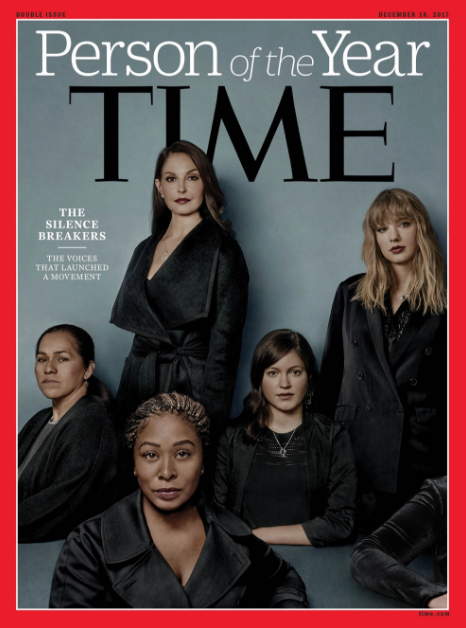
From women’s marches around the world to the #MeToo movement, many people took not just to social media, but to the streets, speaking up against hate, inequality and violence.

Women, in particular, shared their realities in ways and in numbers that got global attention and sent shock waves through a host of industries, from Hollywood and high tech to policing and restaurants.

But genuine revolution requires persistence: we need to continue challenging unconscious biases, dismantling entrenched systems, and redistributing power. We need to translate last year’s manifestations of resolve into actual resolutions – and then act on them. And we need leaders who are willing to take a stand and publicly spearhead this revolution.

Is that you? Someone you work with — or for?

Here are 5 suggestions for how to keep amplifying women’s voices for change in 2018:

  1. Publicly announce your commitment to support gender equality in the media and donate $1,000 for a tax receipt in support of “What Gets Measured Gets Done”, the high tech dashboard we’re building to track women’s voices in the media;
  2. Ask women in your workplace what’s needed to overcome the barriers to their advancement, and then commit to implementing meaningful measures that will benefit them and your bottom line;
  3. Nominate qualified women from your organization or network who are able to speak to media for inclusion in ExpertWomen, our online database designed to make it easier for journalists and conference programmers to feature smart women;
  4. Talk to us to explore how we might partner with you to amplify women’s voices in Canada and raise awareness at corporate events;
  5. Book a Finding Your Voice, or Building Allies for Change keynote or workshop combining research insights and concrete take-aways with storytelling and humour to engage and motivate your colleagues.

Brad Pitt’s 3-step program for #MaleAllies

Among the many feelings (fury, disgust, resignation) that surfaced for me upon learning the extent to which casting couch hell remains alive and well, was this thought:

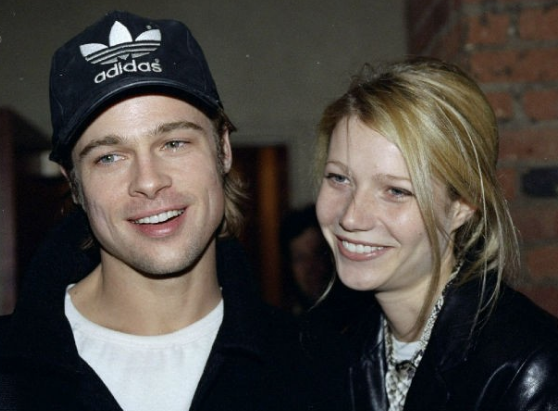
There are a lot of decent men in the world capable of doing what Brad Pitt did when he learned of the encounter his then girlfriend, Gwyneth Paltrow, had with the now disgraced movie mogul.

So guys, this is for you:

You don’t have to be Brad Pitt to stand up with women, demanding respect, and rejecting abuse.

We know you, too, feel disgust and anger about the Weinsteins, Trumps and Ailes of the world: men who give you all a bad name.

We know that most of you don’t behave this way. That you don’t need to have a daughter in order to recognize harassment and assault as loathsome and indefensible. That being a human being is enough.

So here’s a three-step process to out yourself as an ally, to align yourself as belonging to a different category of men in opposition to the bullies, the harassers, the predators.

  1. Speak to the people in your life, women AND men — your relatives, friends and colleagues — and tell them you’re angry and disgusted and you want to do something about this
  2. Pledge to be an ally: to listen to those who have been targeted, to believe them, to stand up with them — and against this kind of abuse
  3. Act on the pledge. Confront the perpetrators, encourage friends and colleagues to do the same. Stand up on social media and in the real world, every day, for women’s right to be treated with dignity and respect.

This may sometimes mean having uncomfortable conversations with other men. (Many women have some relevant experience; they can offer suggestions!)

It will require you to be strong and secure in your conviction that the behaviour is wrong, and to accept that you may be verbally ridiculed or denigrated (again, welcome to our world).

But the benefits of living in a society in which powerful men are held to account for despicable behaviour are worth it.

Because the abusers will eventually lose their power, and together women AND decent, respectful men will be able to create a better world for all of us — you, me, our daughters and our sons.

Women have been resisting and raging against this kind of behaviour for centuries. And not just in Hollywood, but in sports, the military and high tech, too. Your voices are needed to stop it.

#MaleAllies?  #ImWithHer?  #ImWithBradPitt? — choose whatever hashtag or platform you want, but choose to align yourself definitively, and publicly, with the human beings, not the abusers.

At Informed Opinions, we know from experience that you have no way of predicting the ripples you’ll create by speaking up.

by founder/catalyst Shari Graydon

What Gets Measured Gets Done – #WGMGD

This conversation should be over:

The business case for drawing on the entire talent pool is now unassailable — dozens of studies over more than two decades make clear that including women’s informed opinions makes companies more profitable, boards more effective, and research more relevant.

Most people no longer accept the absence of women’s insights and contributions as defensible; #HeForShe initiatives are springing up across North America; even senior male leaders in the tech and banking sectors have publicly declared their unwillingness to serve on panels made up only of guys.

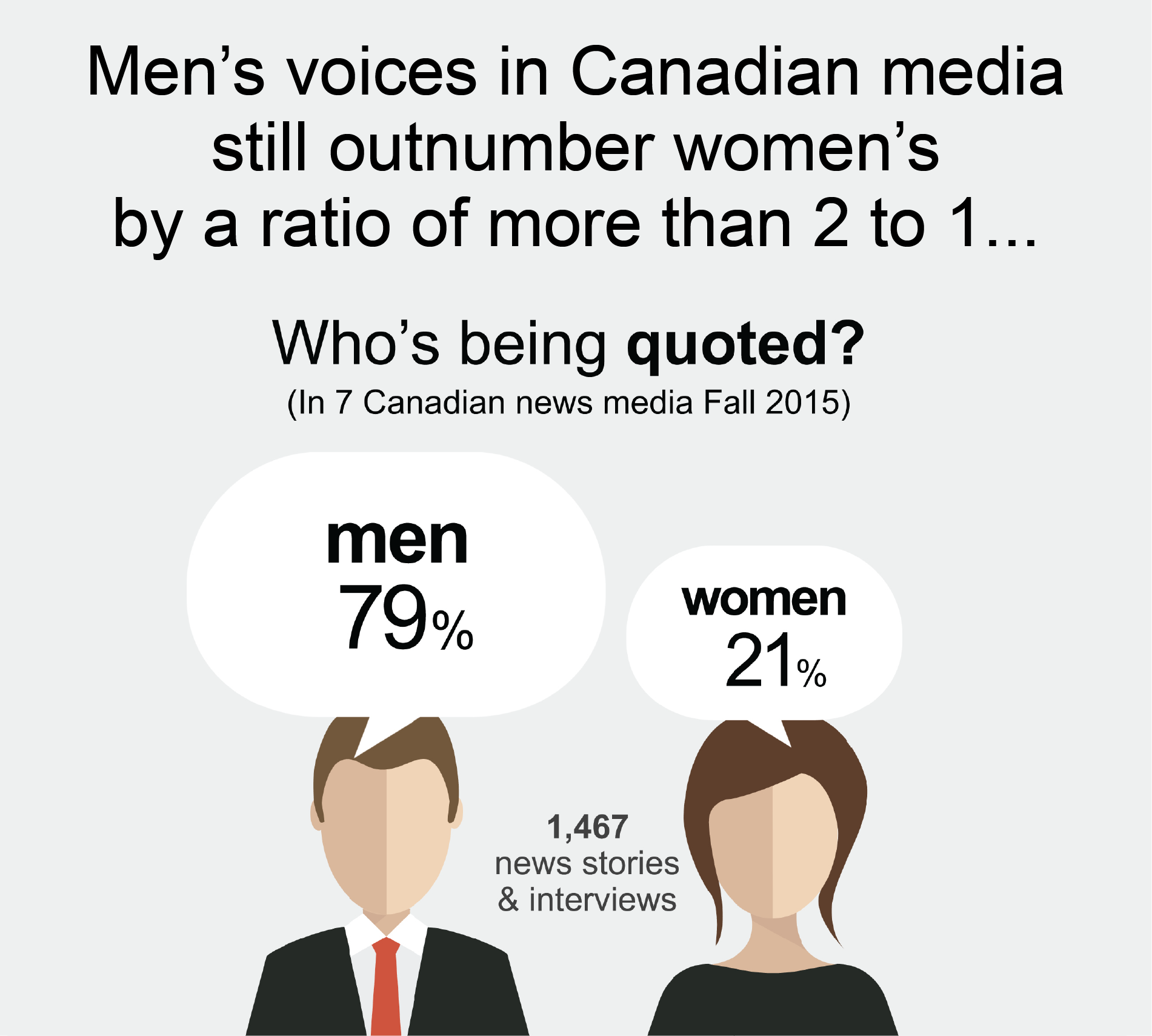
And yet in one of the most progressive countries in the world, women’s voices in the public discourse remain outnumbered by a ratio of more than two to one.

The good news is that in 2010, when we launched Informed Opinions, the ratio was actually four or five male voices to every female one. So our efforts over the past seven years — training, motivating and supporting hundreds in getting their commentaries published, and many hundreds more in saying “yes” to interviews — have made a difference.

But we’re aiming to move from an average of 29% female sources, speakers and experts to an average of 50% by 2025. While the goal is ambitious, we know it’s achievable, because some news media organizations are already there. And what sets them apart from their less attentive competitors is that they’re paying attention and making an effort.

That’s why we’re now gearing up to launch our What Gets Measured Gets Done campaign.

To achieve our goal of reaching 50% female sources, speakers and experts quoted and featured in Canadian media, we will:

  • Collaborate with researchers and computing experts to monitor the gender representation of people quoted and featured in influential media, issuing an annual report card documenting progress relative to the benchmark data we already have;
  • Celebrate the leaders who recognize that democracy demands the news media play a pro-active role, and include diverse women’s voices and encourage the laggards to do better; and
  • Engage citizens to insist that they do.

We’re launching What Gets Measured Gets Done on October 18th, celebrating the anniversary of the Persons Case at an event on Parliament Hill.

In the process, we’ll recognize the incredible contributions of distinguished University of Ottawa law prof and indefatigable activist, Elizabeth Sheehy.

Although she has been speaking up for women’s legal rights her entire illustrious career, since participating in the second media engagement workshop we ever delivered in 2010, Ms. Sheehy has written and published 23 commentaries and given more than 100 interviews. Her extraordinarily well-informed opinions on issues related to all forms of violence against women have enlightened readers, listeners and viewers on a range of critically important aspects of the criminal justice system, and how it treats women who are victimized.

We’re also paying tribute to the producers and hosts of TVO’s The Agenda. The weekday news and public affairs program has not only helped to lead the conversation about the need for women’s voices in public discourse, it has also demonstrated that journalists who make an effort to include diverse sources — gender and otherwise —  can deliver context and analysis that is much more reflective of the diverse perspectives available in Canadian society.

Summer host Nam Kiwanuka will be on hand to represent the entire Agenda team, including regular host Steve Paikin, executive producer, Stacey Dunseath, and all their colleagues, who together have consistently achieved more than 45% female guests for more than two years now.

Here’s how you, too, can make a difference. Please:

  • Share our infographic;
  • Follow us on Twitter or Facebook so you see future campaign pieces as they’re released; and
  • Contact senior news editors, program and conference producers of the media you consume, and the events you attend to insist on greater diversity of perspectives.

What Gets Measured Gets Done is a business mantra frequently touted by executives as an effective means of monitoring performance and productivity. And millions of people sporting fitness trackers can attest to the motivational power of data to get them moving. You can help us to mobilize that kind of measurement and attention to bridge the gender gap in Canadian public discourse.

(In the meantime, for more on the relevance of “What gets measured gets done” in application to equality, see an earlier commentary published in the Ottawa Citizen on the inclusion of women on boards. Given the report just issued by Osler Hoskin Harcourt last week, it remains discouragingly relevant.)

Support our What Gets Measured Gets Done campaign and help us close the gender gap in Canadian public discourse by 2025. As a charitable non-profit, we’re able to issue tax receipts for all donations.

Conversations that matter: For women in media, it’s still a man’s world

Vancouver Sun by Stu McNish 08 April 2017

This week’s Conversation That Matters features Shari Graydon of Informed Opinions, which strives to amplify women’s voices to ensure women’s perspectives and priorities play an equal role in Canadian society.

Graydon regrets that in 2017, women remain under-represented, as experts in the media, while men provide the lion’s share of commentary and analysis. She says, “that it is a profound loss that we are not actively engaging, accessing, utilizing, permitting women to contribute their talents, insights, energies and intelligence to everything we’re doing.”

Graydon points to the U.S. election as proof that women are still treated differently, “it’s very, very clear that the degree of sexism that operated in terms of the coverage and attitudes generally, reinforced by media about Hillary Clinton’s candidacy are still alive and thriving.”

She notes that the more female experts and politicians we see, the easier it will be for all of them to be perceived as competent and treated more responsibly.

Conversations That Matter is a partner program with the Centre for Dialogue at Simon Fraser University. Join veteran Broadcaster Stuart McNish each week for these important and engaging Conversations shaping our future.

New database seeks to amplify women’s voices in the news media

J-Source by Michael Ott 30 March 2017

“We couldn’t find any expert women,” cannot be an excuse.

That’s the mantra of a new website dedicated to amplifying women’s voices in Canadian news media. ExpertWomen seeks to create a database of women from across the country who are experts in their fields.

Shari Graydon, the founder of both ExpertWomen and its collaborative project, Informed Opinions, said there is a severe lack of female representation as sources in journalism. She cited “predictable reasons,” like the fact that many senior positions are filled by men. “Women are asked less often,” she said.

Research completed by Graydon and her team revealed that 60 per cent of university graduates in Canada are women, but 71 per cent of experts interviewed in the news are men.

“Many women are reluctant to call themselves experts,” she explained, “and journalists don’t want the brush-off.”

Graydon, who is an award-winning author and former columnist, founded Informed Opinions in 2010. This original project of hers, she said, “is more about the supply side.” It seeks to help women showcase their knowledge by writing op-eds, participating in media training workshops and seminars, and reinforcing their confidence as experts in their field.

Five years later, Graydon and her team created Expert Women, “the demand side,” which functions more as a database of experts for the media to contact. Visually similar to LinkedIn, an expert’s profile has their photo, job title, areas of research, and a list of their fields of expertise. Many profiles also feature additional photos and video, an education history, social media links, and a bit of written work.

Part of the site’s mission, Graydon explained, is to be inclusive of diverse voices. She doesn’t just want women, she wants women from all marginalized and underrepresented groups. Notably, the site features many women from regions of Canada outside the Greater Toronto and Hamilton Area, where much of the media is concentrated.

“Canadian media still operate across the country, and Canadian audiences want to consume news media that reflects their communities,” Graydon said. “Diverse opinions result in richer conversations.”

One of these women from outside Ontario is Dena McMartin, an environmental engineer and associate vice-president of the University of Regina. Some areas of expertise listed on her expertwomen.dev profile include Water Resource Management and Women in Engineering. She believes this geographic representation is important.

“Toronto and Ontario voices are very well represented, while those from outside Central Canada (even Northern Ontario) tend to be lacking,” McMartin responded in an email.

“My perspective is that journalists reach out to the familiar. When Toronto-based journalists are predominantly from Toronto, those are the voices we will hear most often. Diversity of geographic origin of journalists could effect significant change,” she added.

As a women working in a field typically dominated by men, McMartin notes the importance of a website like expertwomen.dev.

“I recall being in a first year course in engineering where someone commented that there were only about ten per cent women in engineering at that time. Sure enough, I was one of the 10 women in the room of 100 engineering students. The need for women’s voices to be at the table and to be heard at that table is pressing,” she wrote.

This diversity in expertise is one of the goals on the website, especially in terms of fields dominated by men. Part of the problem here, Graydon said, is that women will often think they are not the best person to respond; men rarely think this.

As a requisite for being listed as an expert on the site, one cannot turn down a journalist’s inquiry because they feel they aren’t the right person to talk to. This is Graydon’s way of combatting what she sees as a huge problem—women’s reluctance to participate.

“When a journalist calls you, you can’t say ‘I’m not the right person,’” Graydon explained. She works to ensure women recognize their own expertise so they don’t downplay it.

After developing the site and meeting with large news organizations to determine how best to shape it, Graydon said the website is ready for a public launch. Her next steps are marketing the project to newsrooms, journalism schools, and freelancers.

The team has partnered with organizations and universities across the country to recruit more experts. At beginning of 2017, Graydon said her team had successfully listed 250 women on the site, with another 250 in the approval pipeline. The group hopes to add another 1,000 women to the site in the next 18 months, from “BC, Alberta, Atlantic Canada, and everywhere in between,” Graydon said.

“We want to be a part of the solution,” she said. “We want women to step up and realize that yes, you are expert enough.”

Mike Ott is a master of journalism student in his final year at Ryerson. His past work has focused on coverage of queer communities, the plight of military children, and representation of race in the media. He likes writing, watching terrible television, and hoarding too many plants in his tiny apartment. Find him on twitter @MikeTheJourno.

Why I’m happy my doctor doesn’t think she knows it all

Has your family doctor ever consulted a reference book while you were present?

The first time my GP did so, I was stunned.

Even though I’d sought treatment for a wide range of issues from a slew of doctors over the course of more than 40 years, this had never happened before. And it seemed to me to reflect the positive flip side of women being less inclined to say “yes” to media interviews when asked.

Over the past 6 years, I’ve interacted with thousands of extremely educated and experienced women who have acknowledged doubting whether they were expert enough to comment to the media, apply for a promotion, or speak at a prestigious event. The downside of these doubts is that we don’t benefit from women’s insights as often as we should.

But the upside is that if you’re not arrogant enough to believe that you know or recall everything that might be important, and you’re willing to consult other authoritative sources, you may actually be more accurate and effective as a result. (And in the context of work that often involves life or death consequences, this can be huge!)

Last month, as I listened to a news report about a study finding that female doctors providing care to hospitalized patients outperform their male counterparts, I recalled this revelatory moment, and wondered if it had any bearing on the new research.

Conducted by male clinicians and published in a prestigious US journal, the study looked at patient mortality and re-admission rates. The data caused the researchers to conclude that if male doctors performed in the contexts studied as well as their female colleagues, hospital re-admission rates would be much lower, and as many as 32,000 patients’ lives would be saved each year.

The research built on previous studies finding that female doctors are more likely to rely on evidence and follow clinical guidelines. They’re also more communicative, more inclined to practice patient-centered care and to promote preventative measures. They spend more time with patients, and offer more encouragement and reassurance. (This seems like a case of approach, not ability; conscientious male doctors made aware of these results can incorporate such strategies and orientations into their own patient care.)

The implications of the study’s findings are profound – and not just for medical care. Because in addition to offering insight into some measures that can improve health outcomes and reduce expenditures, they validate in very concrete, measurable terms the value of social skills and approaches that have traditionally been denigrated or considered less desirable by virtue of being characterized as “feminine”.

As long as our default assumptions unconsciously reflect or reinforce the notion that the way men typically approach a task is, by definition, superior to, or more trustworthy than the way women might, we will continue to miss or under-use the significant contributions available from the other half of the population.

Being able to document the financial costs to such bias is at least a step in the direction of overcoming it. Working harder to bridge the gender gap in every field, to actively solicit women’s insights as a complement to the effective approaches and sense-making that men provide is critical.

In a few months, we’ll be officially launching ExpertWomen.ca, our online database of knowledgeable women who are willing and able to share their informed opinions with the media and broader public. By making it easier for journalists to find female experts, the database will enhance the quality of public conversations about a wide range of issues.

In the meantime, I appreciate my GP — and her willingness to admit that she doesn’t know everything — more than ever.

Why we’re celebrating the addition of Viola Desmond to the $10 bill

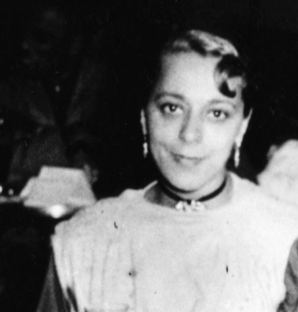
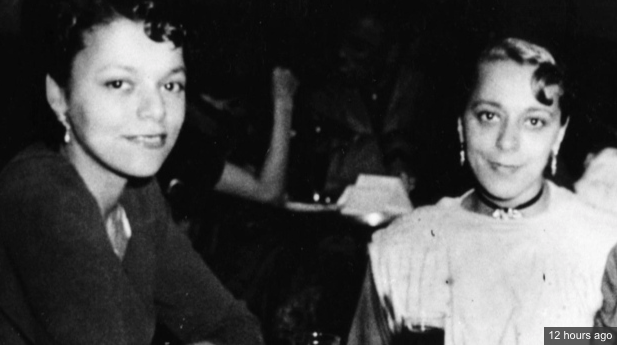
Viola Desmond (right) pictured with her sister, Wanda Robson who helped keep her story alive.

Is putting Viola Desmond on the Canadian $10 bill crass symbolism or a significant step forward?

Just ask Adrienne Clarkson. When she served as Governor General, Chinese Canadian girls across the country suddenly experienced a future of expanded possibilities. A refugee who looked like them serving as the head of state suggested there might be a lot more open doors than previous optics implied.

Symbols matter. A country’s institutions — its parliaments and ministers, its anthem and currency – send powerful messages about what and who is valued and important.

Photographs of all-white, all-male, able-bodied political leaders used to paint a picture of power that probably didn’t feel excusive to those who felt reflected by it.

But for others, merely witnessing a swearing-in ceremony that confers authority on men wearing turbans or traveling in wheelchairs, and women of Asian or indigenous descent, feels positively transformational.

The stories we tell about ourselves shape who we are and what we believe in profound ways. When history books and kids’ cartoons alike focus attention primarily on the perspectives of male players, the erasure of women’s experience is subtle but devastating.

Growing up on the west coast, I was in my 40s before I’d ever heard of Viola Desmond and the quiet courage that saw her fight for basic human rights – and lose on appeal to the Nova Scotia Supreme Court.

But that wasn’t merely a matter of geography, because my tax-payer funded education also failed to teach me about the shameful episode of the Komagata Maru, when Canada denied entry to 376 British subjects from Punjab stuck on a ship in Vancouver’s harbour in 1914.

As a result, like many white citizens, I grew up naively believing racism was not an issue in my proudly multicultural country. My ignorance has been challenged often since: Learning in the 1990s about the disproportionate rates at which aboriginal women went missing or were murdered in BC… Reading about the dramatically different sentencing patterns given to white and black defendants in Toronto…

And just this week, a brown-skinned colleague in Toronto spoke about being mistaken for a member of the cleaning staff when she sat behind her new desk in the Vice Principal’s office for the first time. She told me that this and other common experiences mean that she never wears jeans on casual Friday, and she consciously adopts a smile to ensure her resting face doesn’t inspire people she doesn’t know to label her “aggressive” or “angry”.

Canadians who belong to a racial minority experienced a daily reality qualitatively different from mine even before the now US President-elect made denigrating women and insulting Hispanics prominent features of his campaign. But since the election, the increase in reported incidents of racism on this side of the border should give us all pause.

Putting Viola Desmond on our currency may seem like a small and insignificant act, not remotely up to the task of reversing centuries of discrimination. But it still sends a critically important message about who belongs in this country, and who is worth celebrating.

Viola Desmond is a role model for our time. Let’s hope her face on the $10 bill, her story in our schools, and her example in our consciousness inspires countless future acts of speaking up for human rights and social justice.

This commentary was originally published in the Ottawa Citizen.

Trump May Be The Women’s Movements’ Best Recruitment Tool Yet

 Originally published October 17 2016 on Huffington Post

Donald Trump may be the best recruitment tool the women’s movement has ever had.

That he remains standing as the Republican nominee for president, continuing to enjoy the support of millions of Americans, makes clear that the fight for women’s right to be respected and treated equally is far from over.

But the release of his 2005 boys-on-the-bus conversation offered a peek behind the seemingly impenetrable curtain woven from the combined threads of American celebrity, financial power and privilege. And it has rallied not only Hollywood royalty (thanks Robert De Niro and Tom Hanks), but also an unlikely alliance of professional athletes, conservative Christians and Republican power brokers to the cause.

And although Trump’s newest critics might not embrace the feminist label, and the moment feels like it’s been humiliatingly slow to arrive, it’s here, and should be exploited every bit as much as Trump himself exploited his inherited wealth and the influence and connections it bought him. Especially now that a number of women have dared to confirm that he was accurately describing his MO, as opposed to merely voicing his fantasies. (No one can convincingly characterize this as a case of “he said, she said;” it’s clearly a case of “he said, he DID.”)

So it is beyond galling that a woman widely recognized to be more qualified for presidential office than any other candidate in the history of her nation is still being expected to debate — as if he were her equal, or even a credible alternative — this man. Broadly acknowledged to be the least experienced candidate ever, he has matched her 30 years of public service with an unflagging commitment to increasing his own wealth and status, at the expense of his contractors, employees and the very taxpayers he’s seeking to lead.

Moreover, although the footage that captured him bragging about his penchant for serial sexual assault was released only a little while ago, his depraved attitudes towards women had been part of the public record decades before he began disparaging the looks of one primary opponent and the wife of another, and attempted to discredit a journalist with a crude reference to “blood coming out of her wherever.”

Trump’s legendary objectification of women had played out on the Howard Stern radio show over many years. On air, he regularly demonstrated his view of women as little more than a collection of body parts, describing how he’d have no problem “banging 24-year-olds” but when a woman hits 35, it’s “check-out time.”

It remains a teachable moment if there ever was one.

The man is a wolf in wolf’s clothing, a sexual predator with a sense of entitlement so vast and unconscious that he has repeatedly broadcast his attraction to his great “piece of ass” eldest daughter, and even found a number of occasions during the campaign to refer to his “impressive” penis.

And yet this blatant misogyny, although condemned in progressive circles and tsk-tsk’ed in polite society, remained sufficiently normalized to permit him to secure the nomination of one of his country’s two great political parties. It took undeniable evidence of him bragging about his prowess as a poster boy for rape culture to turn the tide decisively turn against him, and even then, the widespread rejection of his candidacy was as motivated by his free-falling polls and likely loser status.

However, it remains a teachable moment if there ever was one. Thoughtful and attentive people of all ages and affiliations now have chilling clarity about the depth of the double standard and breadth of unconscious bias and its impact on women — even those who have, in fact, worked twice as hard to be thought half as good.

Here’s a thought: as entire generations of decent men experience in a new way the sickened sensation their wives, daughters and mothers feel every time they’re rated, harassed or assaulted, we need to keep up the pressure. So that #yesallwomen, #everydaysexism and #whyIstayed are understood and re-tweeted by male allies. So that men continue to decry loudly and clearly Trump’s “locker room talk” defense, and reject his cowardly invective and pathetic version of masculinity as in no way representing their own.

It takes way more than a village to defeat such misogyny, and Hillary Clinton winning the U.S. election will be just the beginning.

Shari Graydon is the founder and catalyst of Informed Opinions, a non-profit project amplifying women’s voices for a more democratic Canada.

How do you respond to charges of being too aggressive or sensitive?

Let’s say you’re an intelligent, confident and assertive woman who doesn’t shy away from expressing your opinion: chances are that at one time or another, a colleague may have decided you were “too aggressive.”

Or maybe, by politely objecting to sexist behaviour in your workplace – the kind that expects the women present to  serve the coffee, tolerate derogatory comments, or delight in remarks about their appearance – you’ve been accused of being “over-sensitive”.

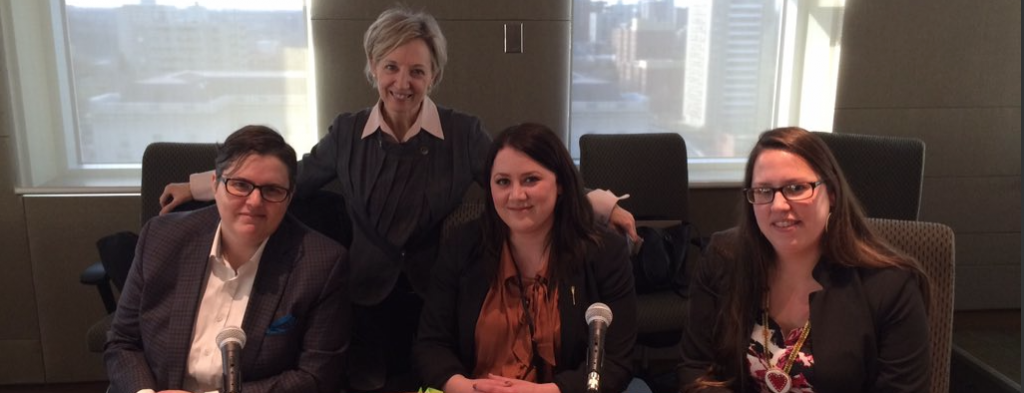
Last week at an Unbitten Tongues* forum with three fearless panelists and about 65 engaged civil servants in Alberta, both of these examples came up.

How, really, women asked, does one overcome the momentary disbelief or flash of irritation to respond to such comments effectively?

Dana DiTomaso, a digital marketing expert, CBC technology columnist and partner at Kick Point, observed that ever since she started dressing in men’s clothing, she’s no longer on the receiving end of such patronizing remarks.

But for those not willing to sacrifice their style preferences in order to be treated with respect, she offered the following comeback strategy:

Rather than try to respond to a comment or accusation that puts you on the defensive, she suggested, try shifting the onus onto the accuser by asking:

“How so?”

I think the strategy is inspired.

Because whether or not people offering such criticism are consciously trying to shut you down, by expecting them to explain or defend their comments, you’re both implicitly rejecting the premise of the dismissal, and requiring your accuser to articulate the value judgments that informed the comments. Their efforts to do so are likely to reveal more about their attitudes and assumptions than about your behaviour or emotional state.

The two other Edmonton panelists, recruited by the government of Alberta’s Ministry of the Status of Women, were equally thoughtful. Recently elected MLA Deborah Drever has been volunteering in her community since the age of eight, and is completing a degree in sociology at Mount Royal University. And Miranda Jimmy is a member of Thunderchild First Nation who sits on the Edmonton Public Library board and co-founded RISE – Reconciliation in Solidarity Edmonton – to support reconciliation in words and actions.

The participation of the three women in the Unbitten Tongues forum gave those present an opportunity to hear from, ask questions of and be inspired by role models who are speaking up in pursuit of making change in business, in government and in the non-profit sector.

For so many women who are working in arenas that are led and/or dominated by male colleagues, the opportunity to engage in frank conversations in a safe, women-only space is revelatory and invigorating.

That’s why, over the next year, in conjunction with the launch of my new book, OMG! What if I really AM the best person? I’ll be looking to convene similar panels in cities across Canada.

If you’re interested in engaging, motivating and supporting women in your network or community to speak up for change, please let us know. We would love to collaborate with you.

*Unbitten Tongues – In recognition of the difference women can make when they speak up — despite the many internal and external barriers to doing so — Informed Opinions offers opening remarks and facilitates panel discussions aimed at encouraging more women to share their knowledge and speak their truth.  

Awe-struck by engineers

“Thank God the world is not populated by people like me.”

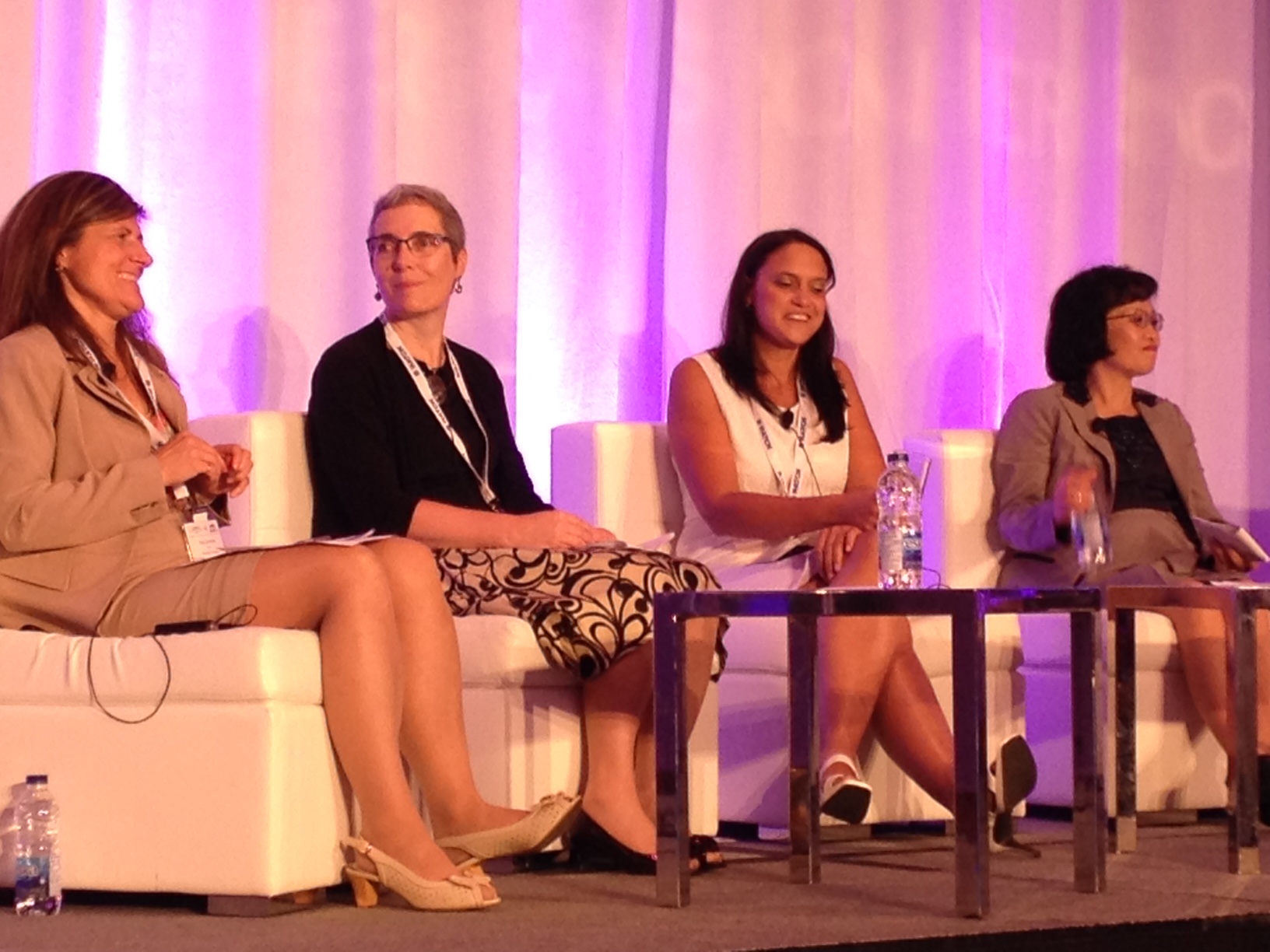
That was my overwhelming thought last week while participating in a symposium of women engineers.

Unlike most of the rest of the attendees at the first ever Women of Impact in the Canadian Materials, Metallurgy and Mining Fields event, I dropped physics and chemistry after 10th grade. And the hair-tearing experience of surviving grade 12 rapid math reinforced my certainty that my future lay in arts.

So being in a room full of women who earned science and engineering degrees, and had been applying their related analytical abilities to solving problems, building sophisticated machines and challenging the rest of us to reconsider our stereotypical notions of #WhatAnEngineerLooksLike was, for me, genuinely awesome.

Over and above their subject matter smarts, they also had enormously valuable advice about life and success and what it (still) takes to manage the two when you’re a woman pursuing work in a field traditionally dominated by men.

Many shared strategies for juggling family and career, and cited the crucial influence of role models, mentors and sponsors who reinforced their individual beliefs that they could excel in science and engineering disciplines. These included parents who worked in related fields (or insisted that their daughters had to choose something similar), teachers who nurtured potential and offered encouragement, and colleagues who actively opened doors. Such champions helped them to overcome the subtle and overt naysayers who sported a limited view of the world and women’s position within it.

Nean Allman, a Scotland-born geologist who runs her own consultancy helping mining companies tell their stories, recalled receiving a letter in response to her application to the University of Edinburgh in the 1960s, asking,

“Are you aware that it’s unusual for a woman to study geology?”

Retired physicist Jennifer Jackman, who has held a number of senior posts in industry and government, referred to the “subtle discrimination of lower expectations” that she faced as a Black woman. Evidence of this included the frequent assumption people made that she must be a secretary, rather than a PhD-holding research scientist.

And yet none of the women featured on the three panels dwelled on the obstacles they encountered, because the success they’ve achieved in diverse and challenging careers furnished them with a lot more interesting stories to tell and recommendations to share.

Many spoke about the qualities they felt were necessary to assume leadership positions. Eva Carissimi, CEO of Quebec-based CEZinc, cited advice she received from a mentor who noted that tunnel-like focus is a useful asset when you’re seeking to solve problems, but suggested that leaders really needed to leave the tunnel for the bridge – having a bird’s eye view of the big picture being a better vantage point to chart a course for success.

Louise Grondin, Senior VP of Environment and Sustainable Development at Agnico Eagle Mines, earned an appreciative laugh when she declared,

“I always think there’s a solution to every problem – and that I’m not the problem.”

Susan Knoerr, Director of Business Planning for Zinc at Teck Resources advised: “Never be afraid of having a team that’s stronger than you are.”

And Shastri Ramnath, owner and CEO of Orix Geoscience offered an insight that – given the talent in the room, employers of engineers should embrace.

“Many employers don’t recognize the value of employing new moms,” she said. “75% of Orix’s staff are women, and yes, we do always have at least one person on maternity leave. But if you’re willing to accommodate mothers, they often make really flexible workers willing to enter data at night, or work on Saturday mornings.”

Finally, a number of the women echoed one of the points Sheryl Sandberg devoted an entire chapter to in her book, Lean In. She titled it “Make Your Partner a Real Partner”, and many of the married symposium participants credited husbands who were willing to follow them around the country or the world to new posts, allowing them career opportunities they would have otherwise had to turn down.

Noted Ms. Grondin:

“You want to have a supportive spouse so when you go to work on Christmas day, he understands.”

In response to which Waterloo engineering professor Carolyn Hansson, whose long career included stints in the UK, US and Denmark, quipped:

“No – the reason you want a supportive spouse is so someone can cook the turkey!”

The breadth and depth of these engineers’ fascinating and challenging careers, both past and present, are captured in a book written by symposium organizers, Mary Wells, Associate Dean of Engineering at the University of Waterloo and President of the Metallurgy and Materials Society of CIM (MetSoc), and Anne Millar, a PhD candidate in history at the University of Ottawa. The book will be available online at http://www.cim.org/en.aspx in the coming weeks.