
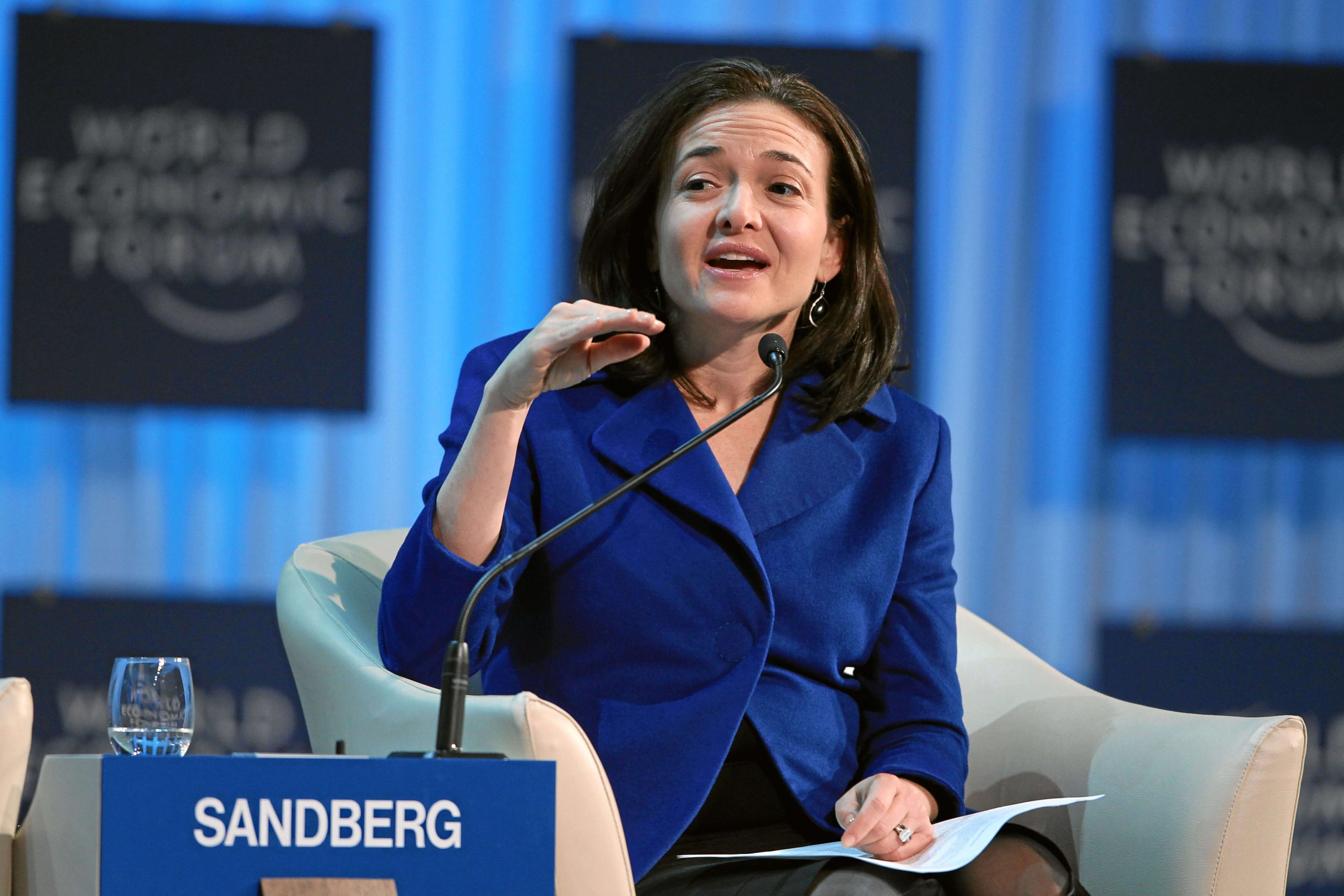
Dear Sheryl Sandberg: You can stop online abuse

Dear Sheryl,

May I call you that? In your books and your TED talks, you come across as warm, accessible, and aligned with some of the values I hold dear. Your advocacy for women positioned you as a comrade-in-arms. Just like the legions of women who signed up for your lean-in circles, I feel I know you.

Many of us related to your professional experiences: super-competent woman motivated by burning desire to have an impact passed over for promotion while under-performing male colleagues advance.

And we keep seeing your sisters in struggle go down in flames for exposing the tech industry’s morally challenged behaviour: from Susan Fowler blowing open the systemic sexism at Uber to Timnit Gebru being forced out of Google for calling out the racist limitations of its AI and emptiness of its diversity initiatives.  

Meanwhile, many of the women you sought to inspire are hurting as a result of Facebook’s own algorithms. “Leaning in” on social media – especially if they’re Black, Latina, Muslim or Indigenous – just puts a bigger target on their back.

And where to start with the staggering news coverage of your company’s role in a series of devastating events that continue to have catastrophic consequences for the US? Disregarding Russian interference in the 2016 election? Fake news about vaccines

Then there were the revelations that not only did Facebook look the other way while Myanmar Rohingya were systematically massacred, the company’s programming algorithms are actually working as designed when they privilege hate speech and sensationalist content.

These blows to Facebook’s reputation have profoundly tarnished the credibility you’d built up as a champion for women. And you can’t compensate for your boss’ inability to accept responsibility for the company’s role by fuming in private, and then pivoting to “but look at the problems we’ve already fixed!” in public. 

No one really expects the man who proclaims “Company over country!” behind closed doors to do better. But you’ve written about human vulnerabilities, acknowledged moral dilemmas, and demonstrated a more emotionally-nuanced appreciation of complex issues. So the disappointment about Facebook’s repeated failure to retool its algorithms, shut down conspiracy theorists, and stop fuelling violence, is deeply troubling.

From the outside, it looks like either you don’t care, or you’re not able to exert the kind of power and influence your title suggests you should. So it’s no wonder you’re worried about your legacy. Katie Couric’s 2019 public grilling about bullying on your platforms must have been a brutal reminder of how those outside of Facebook view many of the justifications offered. And details about your inability to counter to Zuckerberg’s world-domination-at-all-costs mindset in The Ugly Truth, by Sheera Frankel and Cecilia Kang must have been humiliating.

Then came Frances Haugen’s well-documented and damning testimony before Congress. You can imagine how so many of us who once admired you from afar are now asking ourselves who IS Sheryl Sandberg, and why is she still there?

Your brilliant track record at both Google and Facebook make it clear how seriously, and with what success, you’ve pursued what you felt was your calling “to scale organizations.” But now that you’ve demonstrated your capacity to do that, wouldn’t it be fabulous if you refocused your unique abilities on helping to clean up the mess? To take responsibility for and learn from the unintended consequences unleashed? To devote yourself to projects that lie a little closer to your heart? 

Then again, maybe those of us who identified with a small part of you are reading too much sincerity into that heart – the one that seemed to underlie your books about equality of opportunity and resilience.

Because as much as you or your boss protest otherwise, the extent of the damage Facebook, Instagram and other social media giants are doing – to democracy and truth, social cohesion and mental health – is crystal clear.

We can’t fathom how you reconcile a pursuit of profits that depends on your willingness to reinforce disordered eating and social anxiety among teenagers. We’re asking how you connect with a sisterhood being slammed by misogynist messaging on your network, a network that is, itself, protecting the perpetrators of the abuse?

Continuing to defend practices that have inspired many of your former colleagues to quit underlines a stratospheric detachment from the realities faced by the rest of us. Come back to earth Sheryl, while you still can. 

Sincerely,
Signature

Shari Graydon

Shari Graydon is the Catalyst of Informed Opinions, a non-profit amplifying the voices of women and gender-diverse people and combatting the #ToxicHush of online hate that is silencing voices that are already discouragingly under-represented.
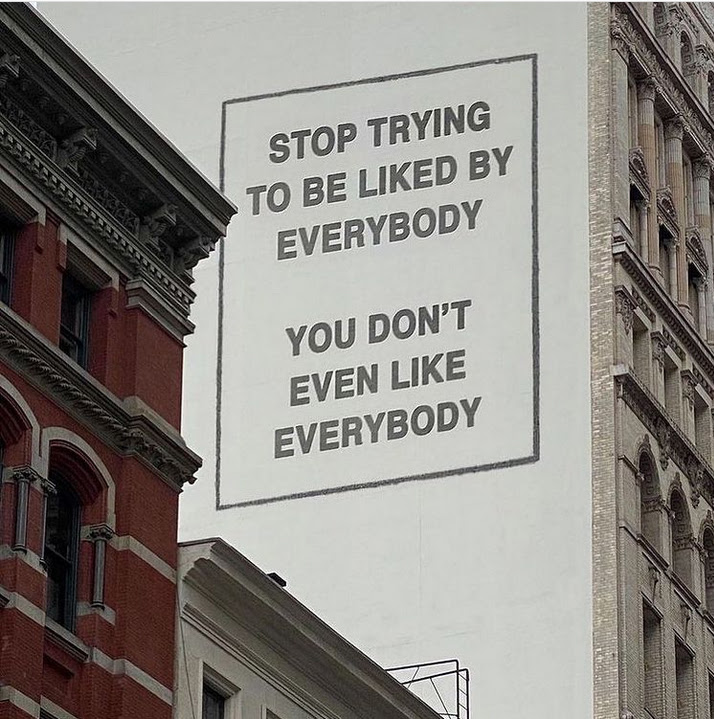
Why are some people such jerks online? And how do you respond to social media attacks?

Is social media snark the gateway drug to full-on trolling?

I wondered this a lot last month, scrolling through the hate-tweets directed my way. Had I condemned a respected religious leader? Body-shamed a feminist icon? Described COVID as a viable form of population control? 

No, I’d had the temerity to confess in a Toronto Star commentary that I wasn’t in the mood to celebrate Canada Day. 

On LinkedIn, my piece generated thousands of views and many thoughtful and supportive responses. In contrast, on Twitter, dozens of vitriolic messages advised me to leave the country — although not nearly so politely. 

I was characterized as self-righteous, self-loathing and snobbish, “the worst a free democratic country can produce.” I was labeled “a non-entity”, accused of “grifting”, and ridiculed for having a degree in theatre. (Because it’s easier to attack someone personally, based on erroneously-drawn conclusions, than it is to mount a reasoned argument.)

One critic sneered that I was no doubt a fan of immigration (correct, although not mentioned), while another condemned me for having “defecated on the memory of the people who died at Verdun, Passchendaele, Ypres, Juno…Korea, Afghanistan.” (Nope, not even close.)

As disturbing as these attacks were, they pale in comparison to the kinds of hostile abuse directed at many other women, especially those who are Black, Indigenous, Asian, Muslim, lesbian, trans, women of colour… On a daily basis, they are targeted, threatened and silenced.

Over the past decade, in the process of teaching experts how to engage audiences through media, I’ve been enlightened by thousands of extremely knowledgeable and thoughtful scientists, health care professionals and advocates, across all sectors. Despite their deep insights on critically important issues, many of them have sometimes declined to share their experience-informed perspectives even when asked because they don’t have the time, patience or willingness to deal with poisonous online attacks that increase along with one’s profile. 

Who can blame them? 

That’s why Informed Opinions is now investing in a new project aimed at addressing online abuse. In the coming months we’ll be telling you more about our innovative new app and research initiative.

In the meantime, in trying to answer for myself the question, “Why are some people such jerks online?” I came across a New York Times article from 2007 which described the phenomenon of “online disinhibition”. 

Apparently, we’re more likely to be nasty because of the time lag between when we post a message and when we get a response… because the social media world is not governed by authority figures who might encourage us to behave better… because our empathy centres are hijacked by the absence of emotional signs and social cues typical of more personal interaction. 

And yet I and millions of others manage to regularly share thoughts and feelings on social media without personally insulting or attacking others. So I found this sentiment, penned on Quora by Alec Sorenson, more persuasive:

“People are jerks online because they’re jerks normally;
being online just allows them to be jerks without fear of consequence.”

Not insignificantly, social media companies have programmed their algorithms to reward ugliness. Academic research has determined that both Facebook and YouTube prioritize attacks. And posting something that triggers a pile-on of people who reinforce the attack with “likes” gives jerks the kind of dopamine surge experienced when gambling or using recreational drugs. By privileging online harassment and insults, these platforms are perpetuating an addiction to abuse. 

All of which feeds the inevitable conclusion: individual members of civil society, the organizations we support and the governments who serve us need to insist on accountability. 

We need to demand that social media companies live up to their own “community standards” and start genuinely managing not just fake news but the damaging content that their abusive users post. 

Even though the comments directed my way were tame in comparison to the insults and threats many other women and gender-diverse people experience, I did find them disturbing. I had to consciously remind myself that:

  1. Mounting personal attacks vs engaging with another’s ideas is cowardly and unworthy of response;
  2. Evidence-supported views trump the uninformed opinions of those who also deny that COVID exists or buy into disproven conspiracy theories; and, encouragingly,
  3. Most of my critics have few followers and little influence.

I also find valuable the insight articulated by George Bernard Shaw, who recommended:

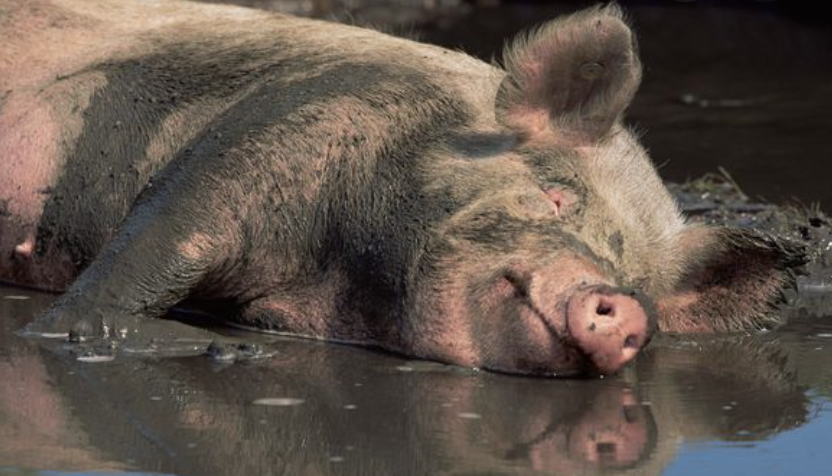
Never wrestle with a pig;
you both get dirty and the pig likes it.

Coincidentally, the day after I drafted the post above, I came across this piece written by the brilliant Roxane Gay about her own evolution with social media. It’s worth the read.

Shari Graydon is the Catalyst of Informed Opinions, a non-profit working to amplify the voices of women and gender-diverse people and ensure they have as much influence in public conversations as men’s.