Chutzpah and humility are a rare but precious combination.
It takes the first to run for Prime Minister at 37.
It takes the second to have the self-awareness to bow out after six years — despite earning international accolades for leading through a pandemic, mass murder and volcanic eruption — because you’ve candidly assessed your capacity and believe that someone else on your team will be better equipped to lead your party to victory in the next election.
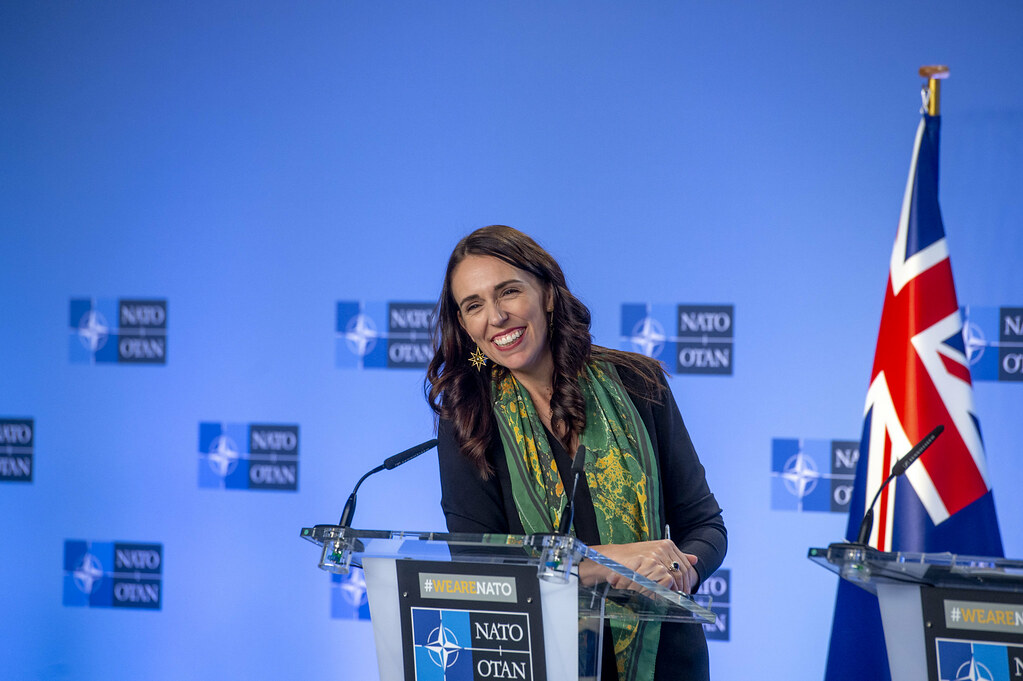
Much will be written about Jacinda Ardern’s leadership. The BBC article linked below quotes the Australian PM as appreciating her “intellect, strength and empathy”, and New Zealand’s opposition leader as recognizing that she gave “her all to this incredibly demanding job”.
But what I think resonated with many people, both in NZ and around the world, was that she manifested unparalleled authenticity and grace.
She was both unapologetically in charge and deeply human. She demonstrated strength in vulnerability.
She brought to the role many of the qualities that have been historically denigrated by patriarchal values, and made clear how valuable they are.
In the process, she reinforced the critical importance of more gender-balanced governing.
When asked what she hoped her legacy would be, she did not cite the accomplishments that earned her global attention, but said,
“I hope I leave New Zealanders with a belief that you can be kind, but strong, empathetic, decisive, optimistic but focused. And that you can be your own kind of leader – one who knows when it’s time to go.”
Making decisions on a daily basis that have massive implications for the lives of the citizens you serve is enormously difficult.
And being able to acknowledge your limitations, not just privately, but publicly? That’s genuine #leadership.
Politics shouldn’t be a life sentence.
We would all benefit from more leaders able to do what Jacinda Ardern has done.
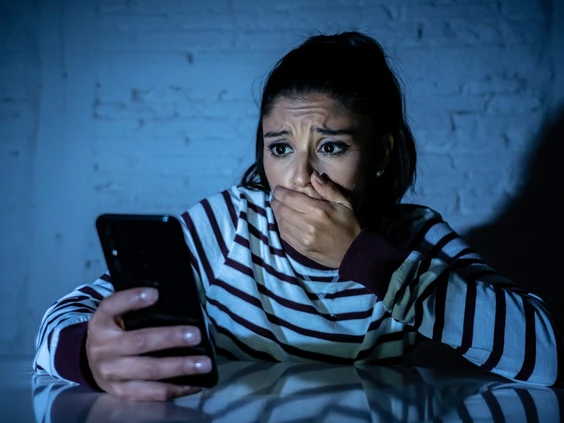
Women are now being subjected not just to insults and demeaning comments but to vicious lies, doctored images and sexual and violent intimidation.
Elon Musk isn’t responsible for how unappealing public life has become for even ambitious women. But the billionaire’s ascension to Twitter’s c-suite and his reinstatement of some infamously banned bad actors is turbo-charging abuse on the platform, making the challenge even harder.
Research by Amnesty International and others has already established that women are much more frequently targeted by online hate than men.
Consider that in the 2017 municipal elections in Alberta, women candidates were four times more likely than men to describe the campaign as “negative” and report that the criticism they received was personal. They weren’t being dissed for their policies or positions, but for their race or religion, their parenting or appearance.
Almost half said they “regularly” received misogynistic or discriminatory attacks.
And research by my organization, Informed Opinion, finds that the problem is growing, and if you’re Black or Brown, Indigenous or openly LGBTQ, it’s even worse.
Women are now being subjected not just to insults and demeaning comments but also to vicious lies and doctored images aimed at damaging their reputations. Many are being threatened with physical or sexual violence. This is an existential threat to democracy.
It makes online hate seem not just normal but inevitable. And that makes people who aren’t receiving it complacent — unwilling to take it seriously and prone to defending egregious attacks as a “freedom of speech” issue.
But it’s not the abusers whose speech is threatened. The truth is that if we don’t impose limits on what can be shared, anonymous attackers can say whatever they want, while the message to women is “Speak at your own risk.”
Many of the women we support who’ve reported safety concerns to the police have been told “Just stay off the internet.” But social media platforms are central to the way most of us access news, remain connected or wield influence. If you’re a politician, staffer, journalist, researcher or advocate, you rely on email and social media in order to do your job.
So when your mobile phone becomes weaponized, or when trolls are regularly hijacking your feed with insults, lies and threats, you have to review those attacks to decide whether to mute or block, document or report. Reading rape threats and seeing images of yourself photo-shopped onto porn takes a huge toll on your mental health, and it often comes with an actual pricetag.
Some women don’t promote their public appearances because they don’t want to be stalked in person. Others decline speaking opportunities altogether. This may reduce their income. It definitely undermines their ability to have impact.
Many invest in therapy because the threats are triggering. Still others are compelled to hire a lawyer. This constitutes a “toxicity tax.” And the people paying it are already under-represented.
So when they leave public office — or journalism or advocacy work — they deprive themselves of their chosen career and rob the rest of us of their talents and contributions. That affects us all. Public conversations, amplified through the news and social media, help set agendas, shape priorities, impact spending. Our democracy needs those conversations in order to reflect the experiences, insights and solutions of all citizens.
Online abuse threatens to erode equality gains that have taken decades to achieve.
When Informed Opinions heard from the women in our database about how brutal the attacks targeting them had become, we created our #ToxicHush Online Action Kit to offer them guidance on how to deal with it. But we can’t make victims responsible for addressing this crime. Curbing online harms is about promoting free speech by safeguarding public conversations.
We expect the companies making the drugs we take, and the cars we drive, to assess the risks involved and show how they’ve ensured our safety. We need to demand similar transparency from billion-dollar tech corporations. Legacy media aren’t allowed to disseminate hate; social media platforms have had a free pass for too long.
They didn’t invent misogyny, racism, homophobia — but they facilitate anonymity, promote conflict, and amplify abuse. Platforms that profit from this must be made accountable. The U.K., the EU and Australia are all demanding this. Canadian governments at all levels must do the same.
Adapted from remarks Shari Graydon, CEO and Catalyst of Informed Opinions, to the Federation of Canadian Municipalities earlier this week. The Toxic Hush Action kit is available here.