By Susan Franceshet and Jennifer Piscopo via The Globe and Mail
It’s official – the Alberta election is under way, and the race for who will lead the province promises to be a closely fought battle between two powerful women, former premier Rachel Notley and sitting Premier Danielle Smith.
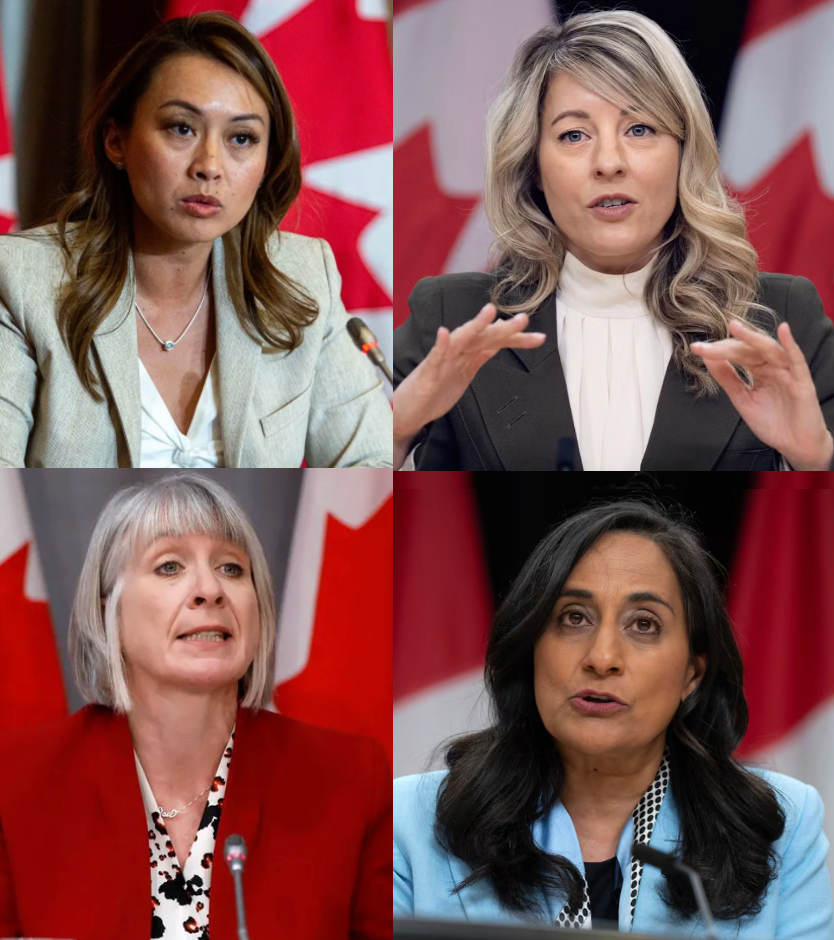
Sadly, having two women contest a high-profile provincial election is an exception, not the norm. The country is still falling further behind when it comes to women in politics, particularly in federal elections.
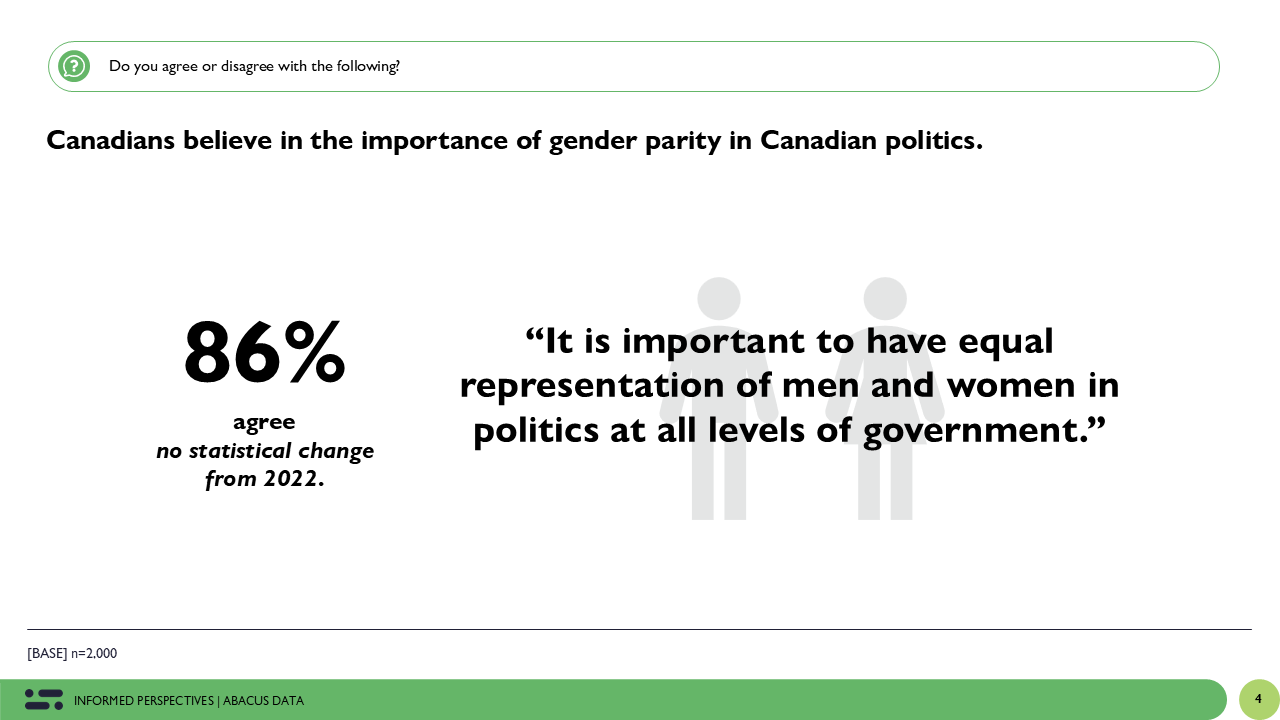
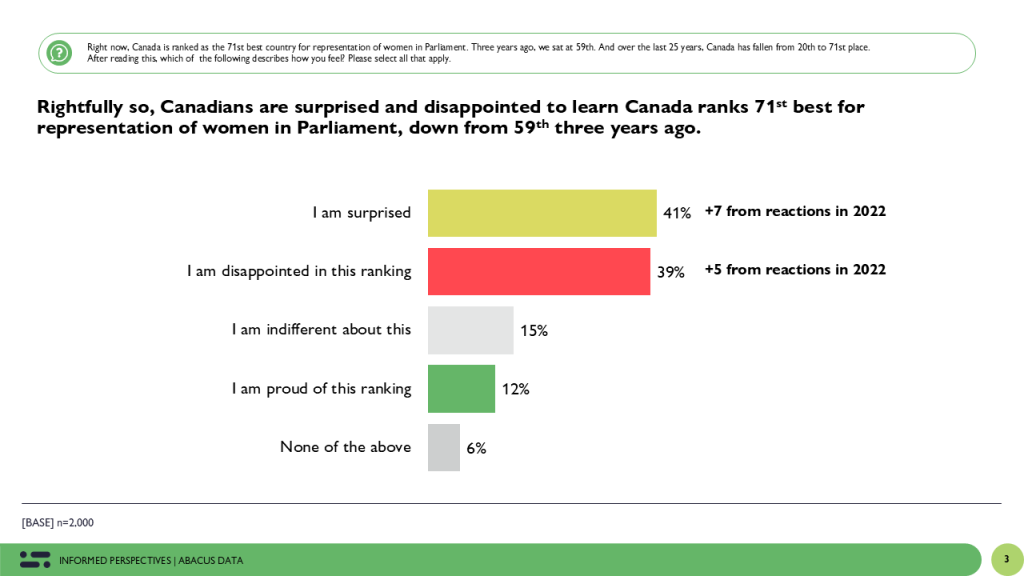
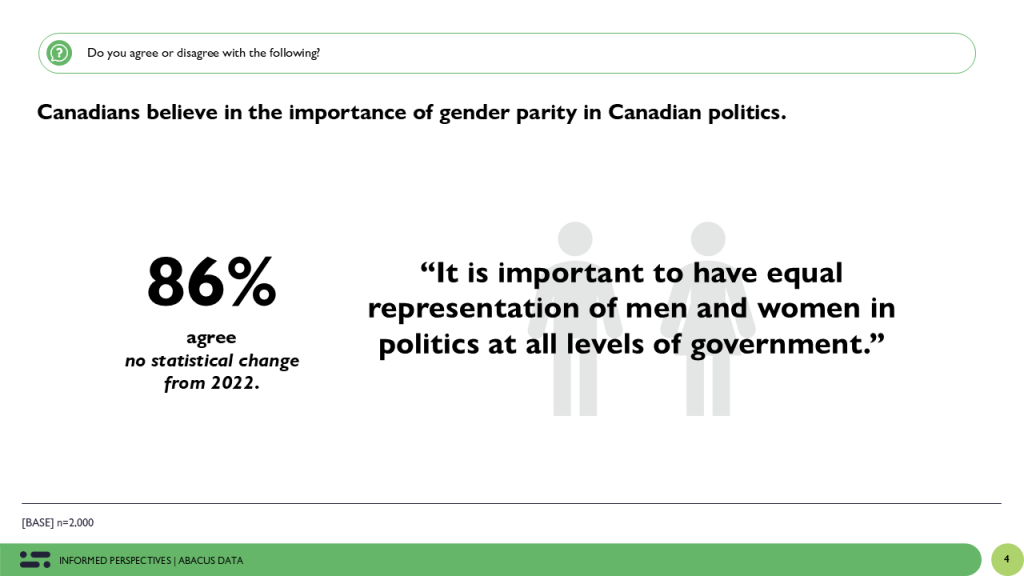
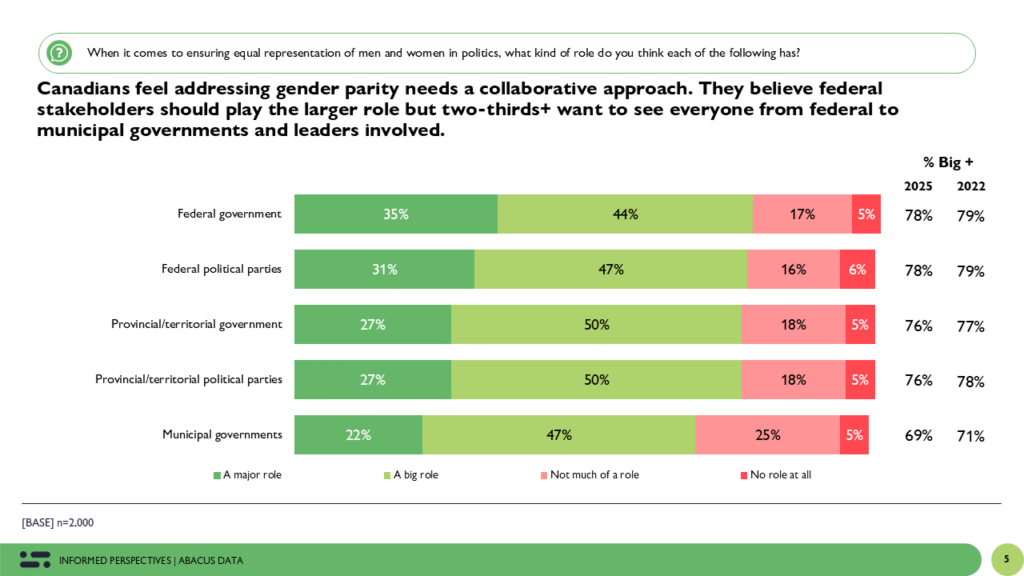
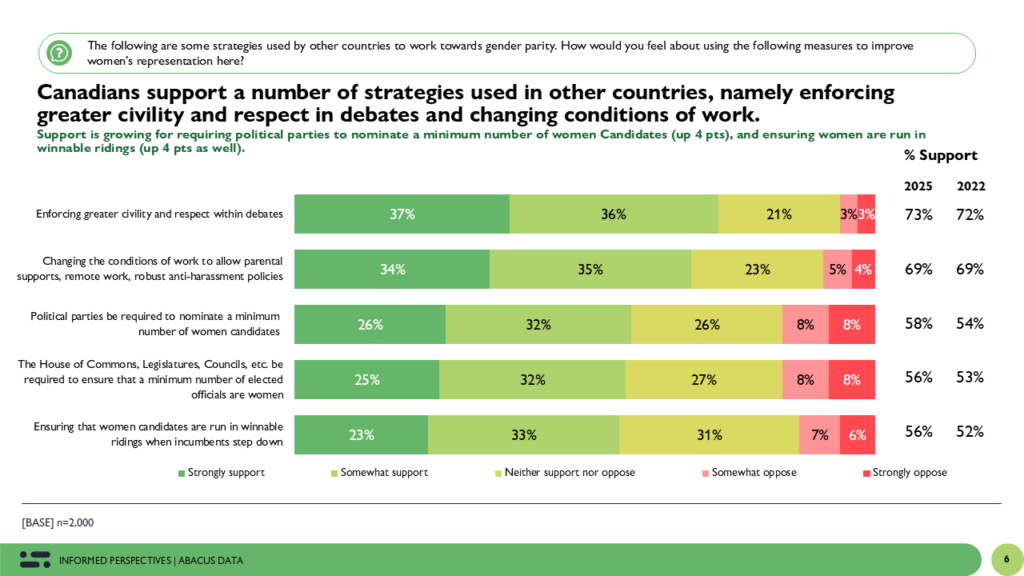
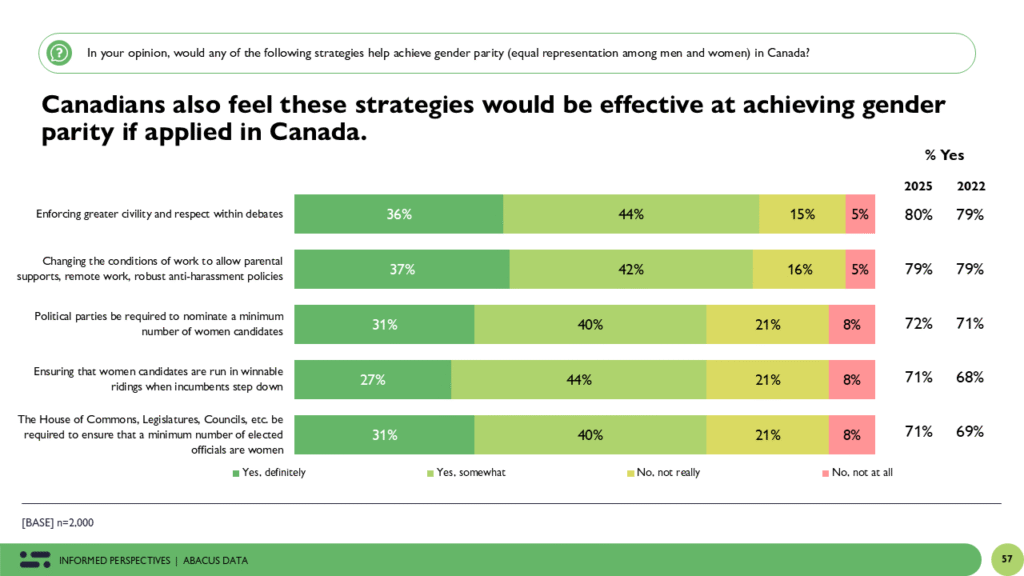
Canada ranks a pitiful 61st globally for women in its national parliament, much lower than European countries and even lagging behind Australia, Britain and New Zealand. We ended up here because our leaders haven’t taken any meaningful action to include women at election time. It’s time to let party leaders know that gender balance in politics matters to Canadians.
Revisiting the suffragists’ playbook to demand parity in political representation might be a good idea.
Canadian women campaigned for the right to vote for more than three decades; activists began organizing in 1876 but didn’t win voting rights until 1918. Indigenous people would wait several more decades.
Hard work and creativity were key. Women established provincial and national suffragist organizations. They gathered signatures on petitions. They staged mock parliaments to demonstrate their political knowledge and debate skills. And they were opposed and scorned at every turn.
Now, it’s been more than 100 years since Agnes Macphail became the first woman to be elected to Parliament – yet men still hold 70 per cent of seats in the House of Commons.
This underrepresentation matters, because governments are much more likely to develop policies and prioritize spending on issues that affect women when women are actually sitting at the table.
Consider that feminist organizing and lobbying ensured that gender equality was enshrined in the 1982 Charter of Rights and Freedoms. But having guarantees on paper was not enough.
Even with constitutional guarantees, women have had to keep the pressure on. They’ve staged multiple protest marches to gain full reproductive rights and to call public attention to the problem of violence against women, including missing and murdered Indigenous girls and women.
The lesson keeps repeating itself: Change doesn’t just happen. Those with political power don’t easily concede the needs or perspectives of those who are not represented. Change happens when advocates mobilize others to join campaigns that call public – and then politicians’ – attention to problems of injustice, insecurity and inequality.
Other countries can offer inspiration.
In 1975, the women of Iceland went on strike. Instead of going to work or tending to their families, they took to the streets, paralyzing the country. Within a year, the government adopted the Gender Equality Act. Iceland has ranked No. 1in the world on gender equality for more than a dozen years, and women constitute 47 per cent of MPs.
More recently, on International Women’s Day in 2018, five million Spanish women workers staged a “feminist strike.” They marched in protest of the gender wage gap and violence against women, chanting slogans such as, “if women stop, the world stops.”
Today, Spanish women hold 42 per cent of parliamentary seats and a majority of cabinet posts. A proposed Equal Representation Law will preserve these gains. Spain already has a 40 per cent quota for women candidates, and the new law would elevate this quota to 50 per cent for parliament, cabinet and corporate boards of directors.
Hard work and strategic alliances among women in Latin America also resulted in gender parity in politics. Both Mexico and Argentina require parties to divide candidacies equally among men and women. And in Chile, women chanting, “we are half, we want half,” in the streets and in Congress resulted in the world’s first constitutional convention where women held exactly 50 per cent of the seats.
When women come together – especially across political lines – they get heard. In the U.S., male legislators accepted meetings with female lobbyists only when they realized that the women had mobilized constituents. And collaboration among women’s organizations was key in getting so many African parliaments to adopt gender quotas.
Of course, women faced hurdles when seeking quotas and parity. After all, securing the right to equal representation means that some men will have to stand down to make way.
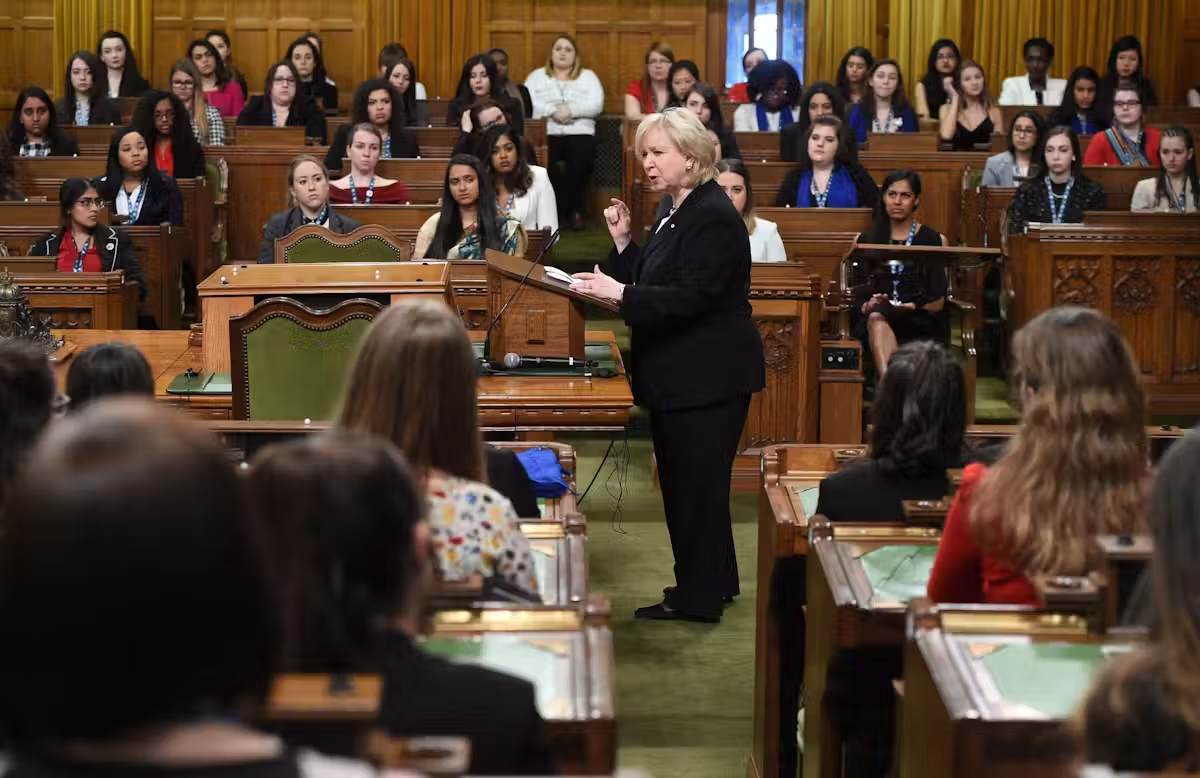
But these actions are evidence that when women unite, they can win rights to political parity. A concerted campaign using the suffragists’ tactics – letter-writing, marches and mock parliaments made up of women – would help to show that a status quo where men hold 70 per cent of seats in Parliament is completely unacceptable.
Canadian women have come together and fought for basic rights before. To speed up the glacial pace of their political advancement, they probably need to do so again.
Susan Franceschet is Professor of Political Science at the University of Calgary, @sufranceschet.
Jennifer M. Piscopo is Associate Professor of and Chair of Politics at Occidental College in Los Angeles, California, @Jennpiscopo.
This op-ed was originally published in the Globe and Mail