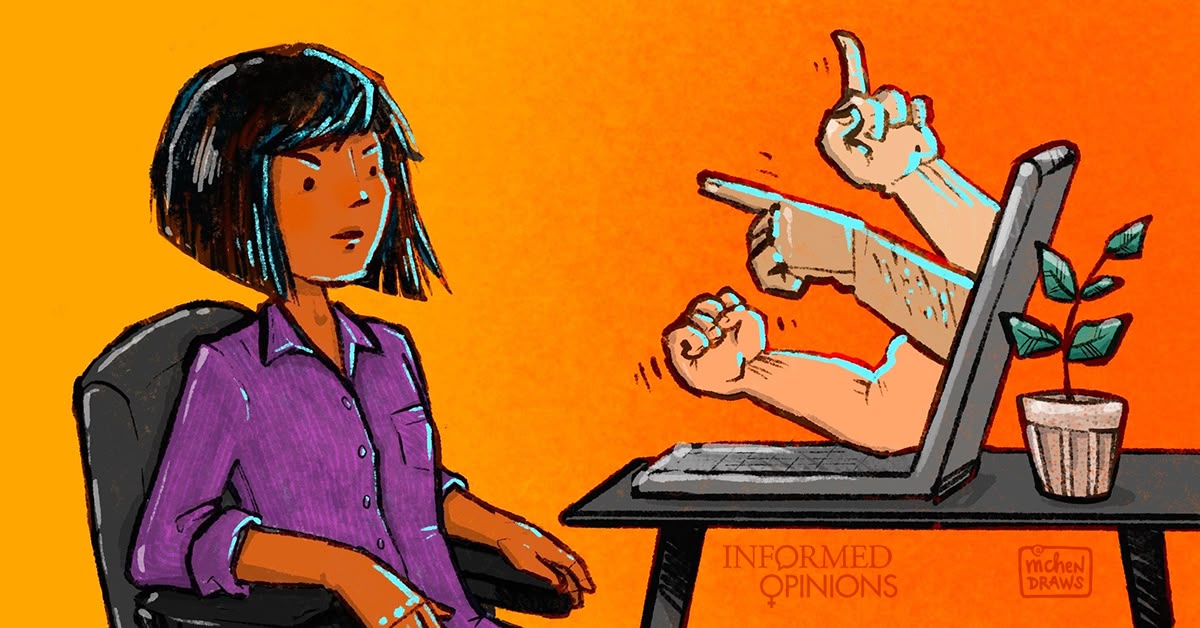
By Jennifer M. Piscopo via Toronto Star
Men dominate Canadian politics. In the 2021 federal election, men represented 57 per cent of candidates for the Liberal party, 67 per cent of Conservative candidates and 70 per cent of elected MPs.
Yet rarely do we hear about men’s political dominance. Instead, we hear about women’s absence. Women don’t run, the pundits say. Women lack confidence, doubt their qualifications and wait to be asked. Women must, as a 2019 House of Commons report concluded, be empowered to stand.
Enter the “lean in” narrative of women’s underrepresentation. To overcome women’s reluctance, dozens of programs and schools across Canada and the globe are training women to run for office.
Except “lean in” directs attention away from the real culprits — and it won’t bring about gender parity anytime soon.
The lean-in solution exists because research shows that women have less political ambition than men. Study after study from the U.S. found that women were consistently less likely than men to consider running for office. In Canada, one in three men had thought about running, versus one in five women.
Women’s lack of political ambition is a deceptively simple fact. On the one hand, this gender gap does exist. On the other hand, it blames women for their own underrepresentation, implying that it’s female character deficiencies in need of fixing.
Read More
with the University of Waterloo and the Social Sciences and Humanities Research Council of Canada
This research explores what motivates women with professional and subject matter expertise to “count themselves in” by sharing their informed opinions and analysis with the broader public through the news media. Funded through the Social Science and Humanities Research Council, the study was a collaboration between Dr. Nancy Worth and the non-profit project, Informed Opinions, the mandate of which is to amplify women’s voices to bridge the gender gap in Canadian public discourse.
We sought insights from women who have chosen to be listed in Informed Opinions’ database of expert women regarding their incentives for engaging with media, despite the barriers that continue to prevent many others from doing so. At the time of the study, the database featured profiles of 550 women, 193 (35%) of whom completed the online survey. Thirty-four of the surveyed women then agreed to participate in in-depth follow-up interviews.
The surveys and conversations reflected a variety of incentives, both personal and professional. Many women shared their desire to use media exposure to support career and leadership ambitions through enhanced visibility and reputation. Many also cited their belief in the importance of expressing solidarity with other expert women who were braving the risks, adding value to public conversations through their specialized knowledge, and serving as a role model for girls and younger women.
Read the report here